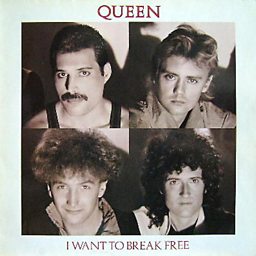
Few bands have left a mark on rock music as profound as Queen. Known for their theatrical performances, unforgettable anthems, and fearless creativity, the group eventually became one of the most influential bands in history. However, before selling millions of albums and filling stadiums around the world, Queen was simply a group of ambitious musicians searching for their identity.
The story of how Queen formed is one of friendship, persistence, experimentation, and perfect timing. From the early days of the band Smile to the arrival of Freddie Mercury and John Deacon, every step played an essential role in shaping the legendary group the world would come to know.
The Musical Scene That Inspired a Generation
The late 1960s and early 1970s were an exciting period for British rock music. Bands were pushing creative boundaries, blending blues, hard rock, progressive influences, and theatrical performances into entirely new styles.
Young musicians across the United Kingdom dreamed of making it big, and London’s vibrant music scene became the perfect environment for talented artists to collaborate. Among those aspiring musicians were guitarist Brian May and drummer Roger Taylor, who would soon lay the foundation for Queen.
Smile: The Band That Started It All

Before Queen existed, there was Smile.
Brian May, a gifted guitarist with a passion for both science and music, formed Smile alongside drummer Roger Taylor and bassist Tim Staffell in 1968. The trio developed a reputation for energetic performances and technically impressive musicianship.
Smile performed at universities, clubs, and local venues while building a modest following. Their music combined hard rock with melodic songwriting, offering hints of the ambitious sound that would later define Queen.
Although the band secured opportunities to record and even released a single, commercial success remained out of reach.
The Members of Smile
Smile’s original lineup consisted of:
- Brian May – Guitar and vocals
- Roger Taylor – Drums and vocals
- Tim Staffell – Bass and lead vocals
Each member contributed unique strengths, but the group’s future would change dramatically after an important friendship entered the picture.
Freddie Mercury’s Fascination with Smile
While Smile was performing around London, a young art student named Farrokh Bulsara became one of the band’s biggest supporters.
Born in Zanzibar and raised partly in India before moving to England, Farrokh had a lifelong passion for music and performance. He admired Smile’s potential and often attended their concerts, developing friendships with the band members.
Unlike many fans, he wasn’t shy about offering opinions.
Farrokh believed Smile could become something much bigger if they embraced a more theatrical image and took greater creative risks. He frequently discussed stage presence, fashion, and performance ideas with Brian May and Roger Taylor.
Although these conversations were informal at first, they planted the seeds for what Queen would eventually become.
Tim Staffell’s Departure Changed Everything
Every band’s journey includes turning points, and for Smile, that moment came when bassist Tim Staffell decided to leave.
Staffell joined another band, leaving Brian May and Roger Taylor uncertain about the future. Rather than ending the project, they considered rebuilding with someone who shared their musical ambitions.
That someone was Farrokh Bulsara.
Having closely followed Smile for years, he already understood the band’s strengths and believed he could help transform its direction.
The opportunity finally arrived.
Becoming Freddie Mercury

When Farrokh joined the band as lead vocalist, he also reinvented himself.
He adopted the stage name Freddie Mercury, a bold identity that matched his growing confidence as a performer. The name reflected the dramatic persona he wanted to present and symbolized a fresh beginning for both himself and the band.
Freddie brought much more than powerful vocals.
He introduced fresh songwriting ideas, encouraged greater experimentation, and envisioned a group that combined musical excellence with unforgettable live performances.
His confidence inspired the others to think bigger than ever before.
Why the Name “Queen” Was Chosen
One of Freddie Mercury’s earliest and most significant contributions was proposing a new name.
He suggested Queen.
The choice surprised some people because it was elegant, memorable, and slightly provocative for its time. Freddie appreciated that it carried multiple meanings while remaining simple enough to stand out.
The name reflected qualities the band hoped to embody:
- Strength
- Confidence
- Majesty
- Individuality
- Showmanship
Although not everyone immediately embraced the idea, it soon became impossible to imagine the band under any other name.
Developing a Unique Identity
Even before releasing major albums, Queen focused on creating a distinct identity.
Instead of following popular trends, the members sought to combine several musical styles into something original.
Their influences included:
- Hard rock
- Progressive rock
- Heavy guitar harmonies
- Opera
- Classical music
- Pop melodies
- Glam rock
Freddie also emphasized visual presentation.
He believed audiences should experience a complete performance rather than simply listen to songs. Costumes, dramatic poses, audience interaction, and carefully crafted stage personas gradually became central parts of Queen’s identity.
This commitment to entertainment would later become one of the band’s greatest strengths.
Finding the Final Piece: John Deacon
Although Queen had found its vocalist, the bass position remained unsettled.
Several musicians briefly filled the role before the band discovered John Deacon in 1971.
Quiet, thoughtful, and technically skilled, Deacon immediately impressed the others with his musicianship and calm personality.
Unlike previous bass players, he fit naturally within the group dynamic.
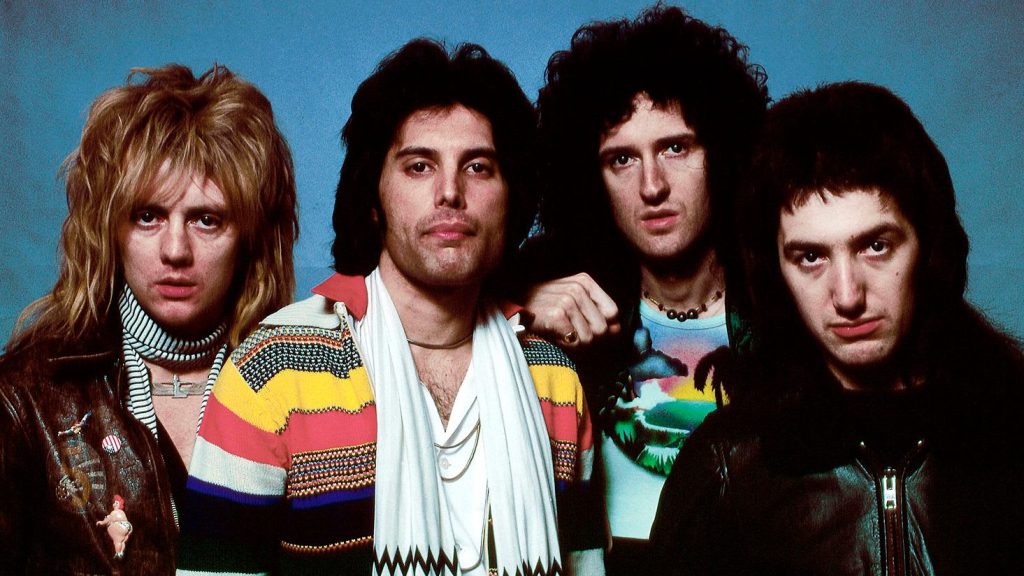
His addition completed the classic lineup:
- Freddie Mercury – Lead vocals and piano
- Brian May – Guitar and vocals
- Roger Taylor – Drums and vocals
- John Deacon – Bass guitar
This lineup would remain unchanged throughout Freddie Mercury’s lifetime and become one of the most iconic partnerships in rock history.
Building Their Sound
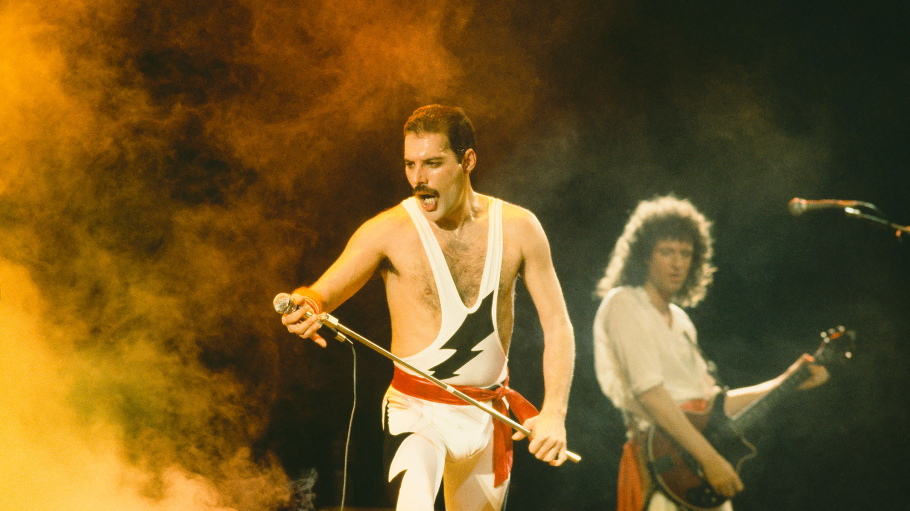
With all four members finally together, Queen devoted countless hours to rehearsals and songwriting.
Rather than relying on a single creative leader, every member contributed ideas.
This collaborative approach became one of the band’s defining characteristics.
Brian May’s layered guitar arrangements blended with Roger Taylor’s energetic drumming, while John Deacon provided melodic bass lines that complemented Freddie Mercury’s dynamic vocals.
Each musician brought something different, resulting in a sound that was impossible to mistake for any other band.
Their willingness to experiment also distinguished them from many of their contemporaries.
Instead of staying within traditional rock structures, they embraced:
- Complex harmonies
- Multi-layered vocal arrangements
- Unexpected tempo changes
- Dramatic dynamics
- Genre-blending compositions
These elements would soon become trademarks of Queen’s music.
Early Challenges Before Success
Like many future legends, Queen did not achieve instant fame.
The band faced numerous obstacles during its early years, including:
- Limited recording opportunities
- Financial uncertainty
- Difficult touring schedules
- Competition from established rock bands
- Skepticism from parts of the music industry
Despite these setbacks, the members remained determined.
They rehearsed relentlessly, refined their performances, and continued writing songs that reflected their ambitious vision rather than chasing short-term trends.
Their confidence in their creative direction helped them persevere through uncertain times.
The Foundation for a Legendary Career
By the early 1970s, Queen had transformed from a struggling local band into a group with a clear artistic identity.
The journey from Smile to Queen represented much more than a simple name change. It marked the evolution of four musicians who believed rock music could be grander, more theatrical, and more adventurous.
Freddie Mercury’s charisma, Brian May’s innovative guitar work, Roger Taylor’s powerful rhythms, and John Deacon’s melodic precision formed an extraordinary combination that would soon capture audiences worldwide.
Long before the chart-topping hits, sold-out stadiums, and international acclaim, Queen built its reputation through creativity, persistence, and an unwavering commitment to originality.
Those formative years established the chemistry, confidence, and artistic philosophy that would define one of the greatest rock bands of all time. The transition from Smile to Queen was not merely the beginning of a successful band—it was the birth of a musical legacy that continues to inspire generations of musicians and fans around the world.