Few bands have embraced musical diversity as boldly as Queen. While many artists build their careers around a recognizable style, Queen made constant reinvention part of its identity. Throughout their career, the band refused to be confined by genre, seamlessly blending rock with opera, disco, funk, jazz, gospel, pop, folk, classical influences, and even music hall traditions.
This fearless approach helped Queen stand apart from their contemporaries and ensured their music remained fresh across decades. Rather than following trends, Freddie Mercury, Brian May, Roger Taylor, and John Deacon treated every genre as an opportunity to experiment, resulting in a catalog that continues to surprise and inspire listeners around the world.
A Band Without Musical Boundaries
From the beginning, Queen viewed music differently than many of their peers.
Each member brought unique influences to the band, creating a remarkably broad creative foundation. Instead of trying to sound like other successful rock groups, they combined their individual tastes into something entirely original.
Their musical influences included:
- Hard rock
- Progressive rock
- Classical music
- Opera
- Blues
- Folk
- Gospel
- Funk
- Disco
- Pop
- Heavy metal
- Music hall traditions
Because all four members wrote songs, Queen rarely settled into a predictable formula. Every album introduced new sounds while maintaining the band’s unmistakable identity.
Building Everything on a Rock Foundation
Although Queen explored countless genres, rock music remained the band’s foundation.
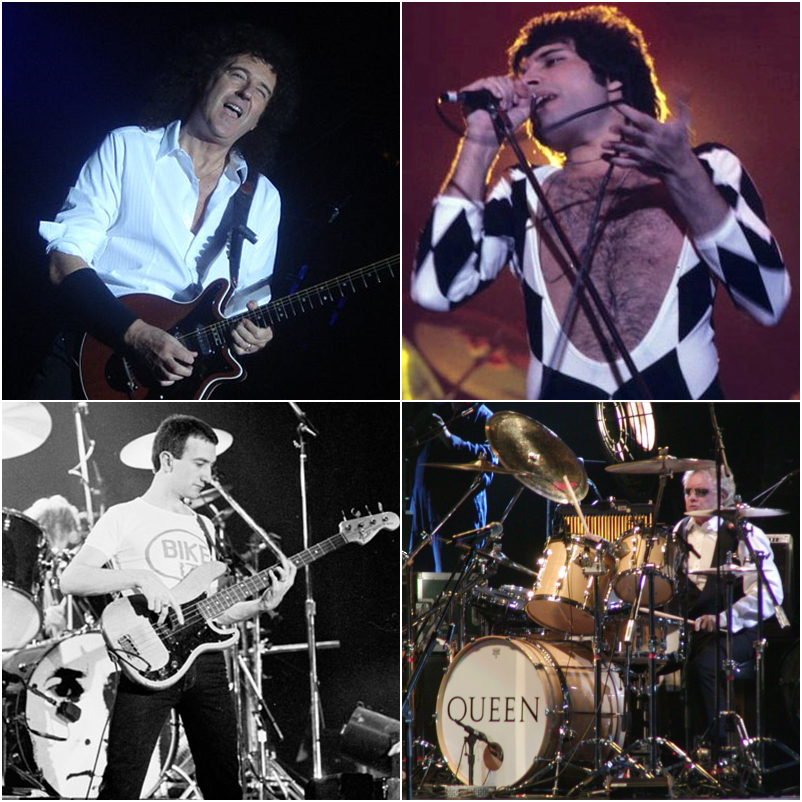
Brian May’s distinctive guitar tone, Roger Taylor’s powerful drumming, and Freddie Mercury’s commanding vocals created a sound that anchored even the band’s most experimental recordings.
Songs like “Tie Your Mother Down,” “Stone Cold Crazy,” “Hammer to Fall,” and “Keep Yourself Alive” showcased Queen’s ability to deliver straightforward, energetic rock music.
Even when experimenting with other styles, the band’s rock sensibilities kept their music cohesive.
Reinventing Rock with Opera
No discussion of Queen’s genre-blending is complete without mentioning opera.
The band’s groundbreaking masterpiece, “Bohemian Rhapsody,” transformed popular music by combining multiple musical movements into one unforgettable composition.
The song features:
- Piano ballad sections
- Operatic vocal harmonies
- Dramatic storytelling
- Hard rock guitar riffs
- Emotional finale
Rather than hiring an orchestra or opera singers, Queen created the operatic section themselves through countless layered vocal recordings.
The result challenged traditional song structures and demonstrated that commercial rock music could also be ambitious, theatrical, and sophisticated.
Bringing Theatrical Performance to Music
Opera influenced more than Queen’s recordings.
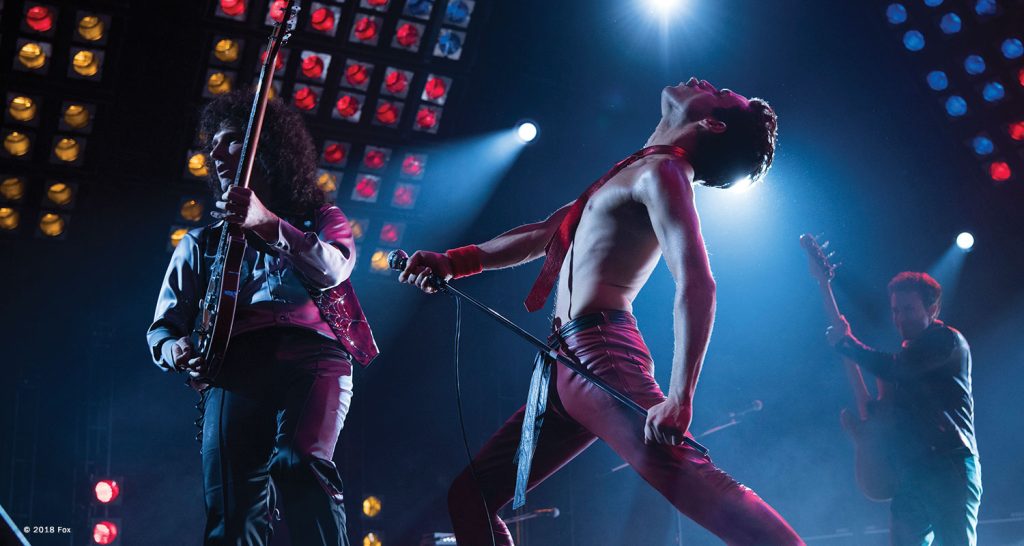
Freddie Mercury embraced dramatic stage performance, treating concerts as theatrical productions rather than ordinary rock shows.
His performances incorporated:
- Grand gestures
- Costume changes
- Audience participation
- Emotional storytelling
- Dynamic vocal expression
Combined with Brian May’s soaring guitar work and the band’s layered arrangements, this theatrical approach gave Queen a unique identity that few artists have successfully replicated.
Exploring Funk and Disco
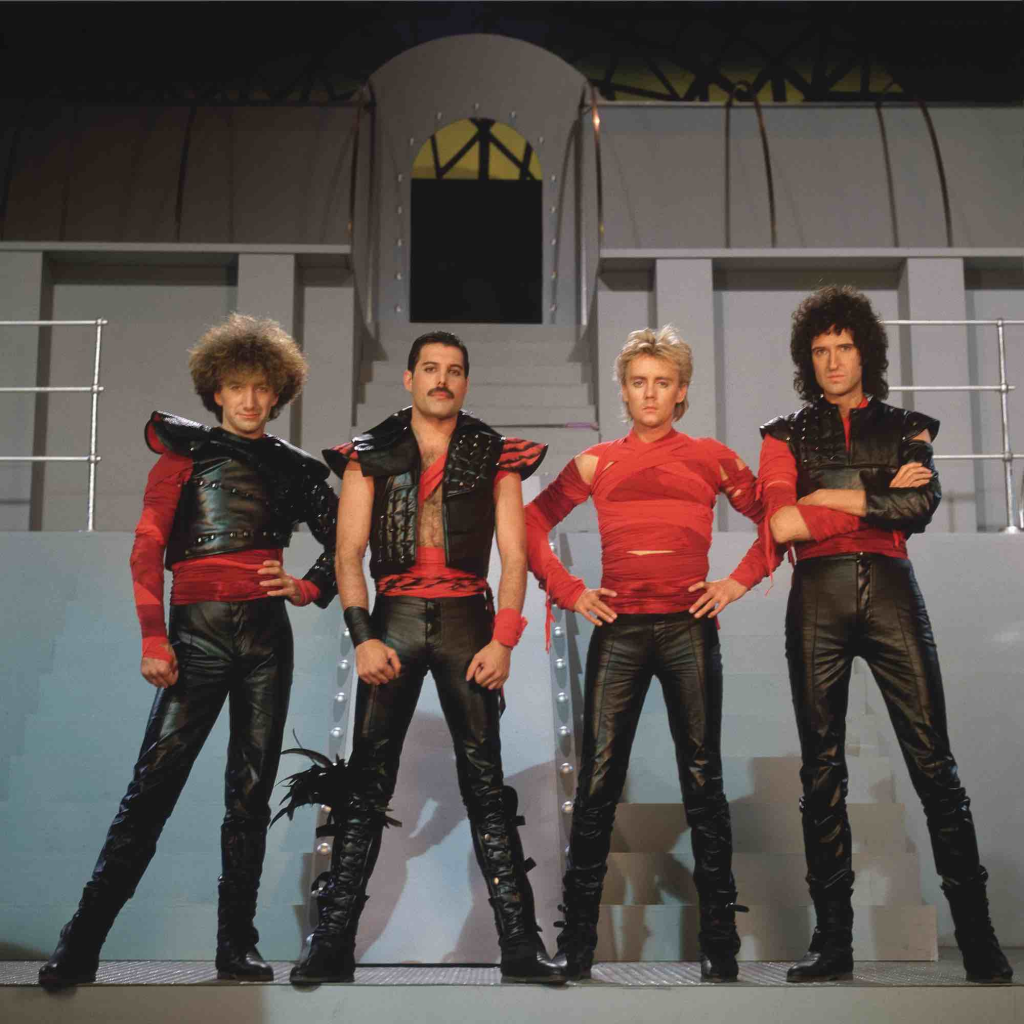
As musical tastes shifted toward dance music during the late 1970s and early 1980s, Queen once again adapted without abandoning their identity.
Instead of simply adding disco elements, they integrated funk rhythms and dance grooves into their songwriting.
Perhaps the greatest example is “Another One Bites the Dust.”
Driven by John Deacon’s iconic bass line, the song emphasized groove over guitar while maintaining Queen’s trademark precision and confidence.
Other tracks, including “Back Chat” and much of the Hot Space album, demonstrated the band’s willingness to embrace:
- Funk bass lines
- Dance rhythms
- Electronic textures
- Groove-oriented arrangements
Although some fans initially questioned this stylistic shift, these songs revealed Queen’s remarkable musical flexibility.
The Influence of Jazz
Despite releasing an album titled Jazz, Queen’s relationship with the genre extended beyond the name.
Rather than performing traditional jazz, the band incorporated elements commonly associated with jazz musicianship, including:
- Harmonic complexity
- Unexpected chord progressions
- Rhythmic variation
- Improvisational guitar passages
- Musical spontaneity
Songs frequently moved through multiple keys and time signatures, reflecting a willingness to experiment rarely found in mainstream rock.
This sense of unpredictability became one of Queen’s defining characteristics.
Gospel’s Emotional Power
Queen also drew inspiration from gospel music, particularly in their vocal arrangements.
The finest example is “Somebody to Love.”
Inspired by gospel choirs, the song features massive multi-layered harmonies that create the sound of an entire choir despite being performed by the band members themselves.
The recording combines:
- Soulful piano
- Gospel-inspired harmonies
- Emotional lead vocals
- Rock instrumentation
The result feels equally at home in a church choir, a rock arena, or a theater production.
It remains one of Queen’s most emotionally powerful performances.
Pop Sensibility Without Sacrificing Creativity
One of Queen’s greatest strengths was their ability to write music that was both adventurous and accessible.
Even their most experimental albums contained memorable melodies and instantly recognizable choruses.
Songs such as:
- “Crazy Little Thing Called Love”
- “You’re My Best Friend”
- “Radio Ga Ga”
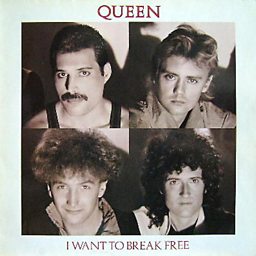
- “I Want to Break Free”
demonstrate the band’s remarkable understanding of pop songwriting.
These tracks remain easy to sing along to while still showcasing Queen’s sophisticated musicianship.
Their ability to balance complexity with accessibility helped them reach audiences across generations.
Classical Music’s Lasting Influence
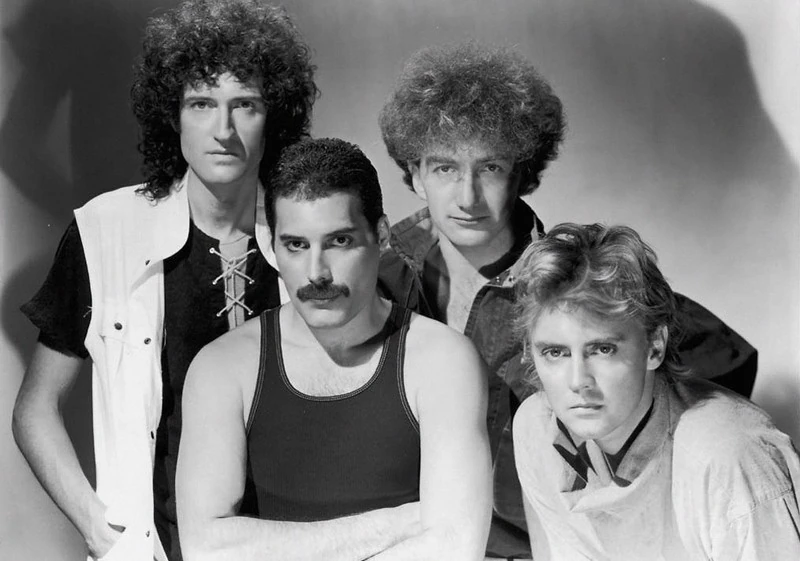
Classical music shaped Queen’s songwriting in subtle but significant ways.
Brian May’s carefully layered guitar harmonies often resembled orchestral arrangements rather than conventional rock solos.
Similarly, Freddie Mercury frequently structured songs with dramatic movements instead of traditional verse-chorus formats.
Characteristics influenced by classical music include:
- Multi-part compositions
- Dynamic contrasts
- Instrumental layering
- Dramatic climaxes
- Rich harmonic textures
These elements gave Queen’s recordings a cinematic quality that continues to captivate listeners.
Every Member Expanded the Band’s Musical Range
Queen’s versatility was possible because each member contributed unique creative perspectives.
Freddie Mercury
Mercury introduced theatrical flair, piano-driven compositions, emotional ballads, and an adventurous approach to songwriting.
Brian May
May blended heavy rock guitar with orchestral arrangements, folk influences, and sophisticated harmonic ideas.
Roger Taylor
Taylor brought energetic rock songs, powerful vocals, and occasional punk-inspired intensity, adding another dimension to the band’s sound.
John Deacon
Deacon contributed melodic pop songwriting, funk-inspired bass lines, and an instinct for commercially appealing compositions.
The combination of these distinct talents allowed Queen to explore nearly every musical style while maintaining a unified identity.
Why Queen’s Genre-Blending Worked
Many artists experiment with different genres, but few achieve lasting success across so many styles.
Queen succeeded because they approached every genre with sincerity rather than imitation.
Several factors contributed to their success:
Exceptional Musicianship
Each member possessed the technical skill needed to adapt to different musical styles without sounding forced.
Strong Songwriting
Regardless of genre, Queen prioritized memorable melodies and emotional impact.
Creative Confidence
The band never seemed afraid of criticism or commercial risk.
Instead of chasing trends, they followed their own artistic instincts.
Shared Vision
Although each member had individual influences, all four respected one another’s creative ideas, resulting in music that felt cohesive despite its diversity.
A Lasting Influence on Modern Music
Queen’s willingness to blur genre boundaries paved the way for countless artists who followed. Their fearless experimentation demonstrated that commercial success and artistic ambition could coexist, encouraging musicians to think beyond traditional labels.
Today, artists across rock, pop, alternative, metal, and even electronic music continue to draw inspiration from Queen’s genre-defying approach. Their songs have become staples in films, television, sports arenas, and live performances, proving that music built on creativity rather than convention has remarkable staying power.
Listeners from different musical backgrounds often discover something familiar in Queen’s catalog, whether it’s a soaring rock anthem, a heartfelt ballad, a danceable groove, or an operatic masterpiece.
A Legacy Built on Creative Freedom
Queen’s greatest achievement wasn’t simply producing hit songs—it was proving that music doesn’t have to fit neatly into a single category. By blending rock with opera, funk, disco, jazz-inspired arrangements, gospel harmonies, pop melodies, and classical influences, they created a sound that remains instantly recognizable yet impossible to define.
Their willingness to experiment transformed every album into a new adventure, keeping audiences engaged while continually expanding the possibilities of popular music. More than four decades after many of their most iconic recordings, Queen’s music still feels fresh because it was never limited by genre in the first place.
That fearless spirit of exploration remains one of the band’s most enduring legacies, reminding musicians and fans alike that true creativity often begins where conventions end.