When discussing Queen’s greatest music, songs like “Bohemian Rhapsody,” “We Will Rock You,” “We Are the Champions,” and “Don’t Stop Me Now” naturally dominate the conversation. These timeless classics have earned their place among the most celebrated rock songs ever recorded.
However, Queen’s catalog extends far beyond its biggest hits. Across 15 studio albums, the band created dozens of remarkable songs that never achieved the same level of commercial success but remain favorites among dedicated fans. These hidden gems showcase Queen’s incredible versatility, exceptional songwriting, and willingness to experiment with different musical styles.
Here are some of Queen’s most underrated songs and the reasons they deserve far more recognition.
“The March of the Black Queen” (1974)
Appearing on Queen II, “The March of the Black Queen” is one of the band’s most ambitious early compositions.
Long before “Bohemian Rhapsody,” Queen experimented with dramatic structure, shifting tempos, layered harmonies, and theatrical storytelling. The song moves effortlessly between delicate piano passages, hard rock, choral vocals, and progressive arrangements.
Many fans consider it the blueprint for the musical ideas that would later make “Bohemian Rhapsody” famous.
Why It Deserves More Recognition
- Exceptionally complex composition
- Remarkable vocal arrangements
- Early example of Queen’s theatrical style
- Demonstrates Freddie Mercury’s songwriting brilliance
“It’s Late” (1977)
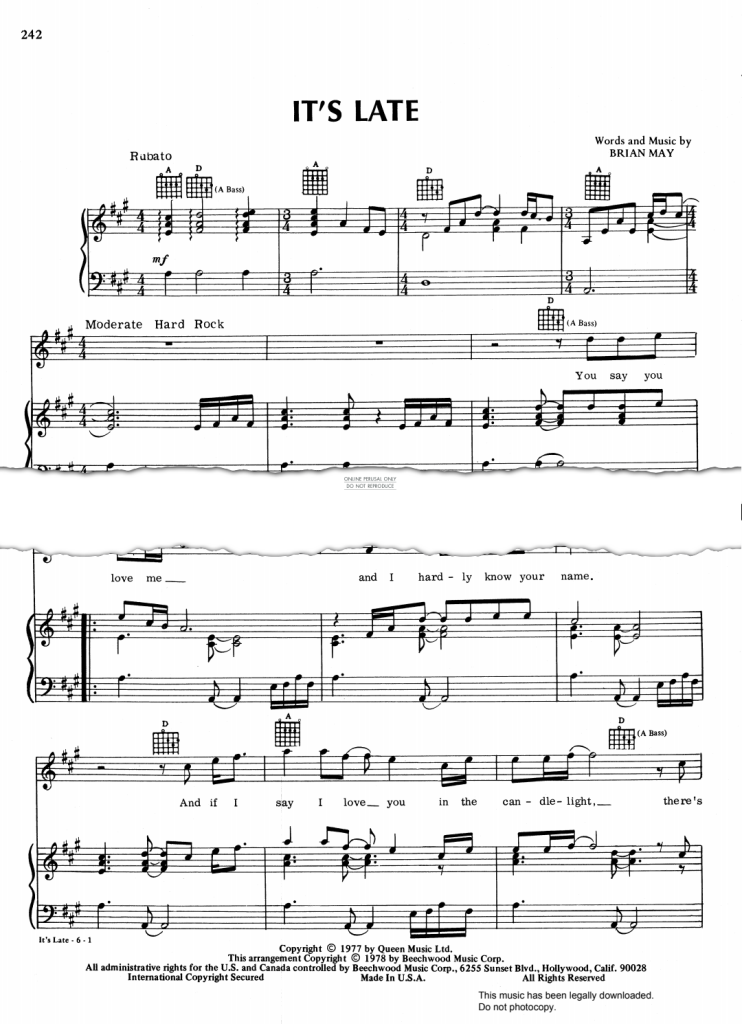
Hidden on News of the World, “It’s Late” is one of Brian May’s finest songwriting achievements.
Beginning as a gentle ballad before building into powerful hard rock, the song tells the emotional story of a relationship in decline.
Freddie Mercury delivers one of his most expressive vocal performances, moving from quiet vulnerability to soaring intensity.
What Makes It Special
- Outstanding guitar work
- Emotional storytelling
- Dynamic structure
- Powerful vocal performance
Despite being released as a single in some markets, it never reached the widespread audience many believe it deserved.
“Spread Your Wings” (1977)
Written by bassist John Deacon, “Spread Your Wings” is an inspiring anthem about chasing dreams and refusing to settle for an unfulfilling life.
Unlike Queen’s larger-than-life stadium anthems, the song succeeds through emotional sincerity and relatable lyrics.
Freddie Mercury’s heartfelt vocal performance perfectly complements Deacon’s thoughtful songwriting.
Why Fans Love It
- Encouraging message
- Beautiful melody
- Memorable chorus
- One of John Deacon’s strongest compositions
“Dragon Attack” (1980)
Featured on The Game, “Dragon Attack” showcases Queen at their funkiest.
Driven by John Deacon’s infectious bass line and Brian May’s blues-inspired guitar playing, the song has become a favorite among musicians despite receiving relatively little mainstream attention.
Its relaxed groove demonstrates just how effortlessly Queen could move between musical genres.
Highlights
- Outstanding bass performance
- Excellent guitar improvisation
- Funk-rock fusion
- Strong live performance potential
“Need Your Loving Tonight” (1980)
Another John Deacon composition, “Need Your Loving Tonight” combines catchy melodies with polished pop-rock songwriting.
Overshadowed by blockbuster hits like “Another One Bites the Dust” and “Crazy Little Thing Called Love,” it often goes unnoticed despite being one of the most radio-friendly songs on The Game.
Why It’s Worth Rediscovering
- Infectious chorus
- Tight arrangement
- Classic pop-rock sound
- Excellent vocal harmonies
“Dead on Time” (1978)
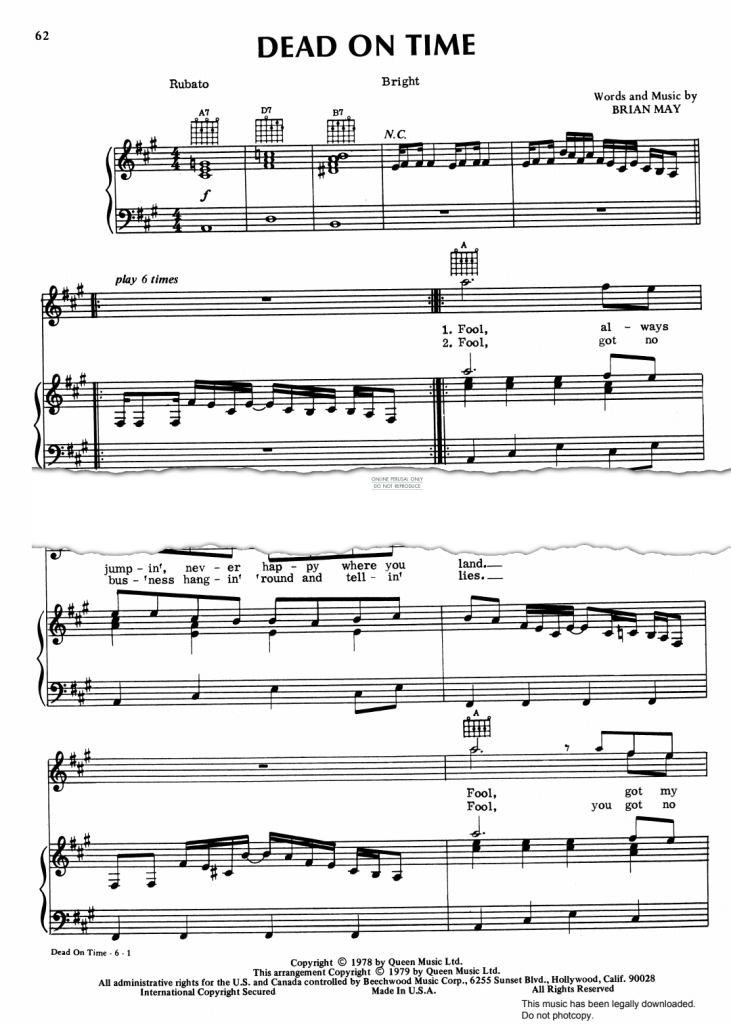
If energy alone determined popularity, “Dead on Time” would rank among Queen’s biggest rock songs.
Appearing on Jazz, the track races forward with relentless momentum from beginning to end.
Brian May’s aggressive guitar riffs combine with Roger Taylor’s thunderous drumming to create one of the fastest and most intense recordings in Queen’s catalog.
Standout Features
- Incredible energy
- Hard-driving rhythm
- Powerful guitar work
- Freddie Mercury’s commanding vocals
“Jealousy” (1978)
Also featured on Jazz, “Jealousy” reveals Queen’s softer, more reflective side.
The song explores emotional insecurity through elegant melodies and understated production.
Rather than relying on dramatic arrangements, it allows Freddie Mercury’s expressive voice to take center stage.
Why It Stands Out
- Honest lyrics
- Gentle instrumentation
- Beautiful vocal performance
- Emotional intimacy
“Drowse” (1976)
Roger Taylor’s “Drowse,” from A Day at the Races, often flies under the radar.
The song combines dreamy verses with heavier guitar sections while reflecting themes of nostalgia and uncertainty.
Its relaxed atmosphere differs from Queen’s more theatrical recordings, making it a unique entry in their catalog.
Hidden Strengths
- Atmospheric production
- Thoughtful lyrics
- Excellent guitar textures
- Distinctive vocal style
“Long Away” (1976)
Brian May took lead vocals on “Long Away,” creating one of Queen’s most melodic and uplifting songs.
The track blends folk-rock influences with shimmering guitar arrangements and optimistic songwriting.
Although released as a single in some countries, it never reached the commercial heights many expected.
Reasons to Listen
- Bright melodies
- Strong guitar harmonies
- Optimistic mood
- Beautiful production
“Sail Away Sweet Sister” (1980)
Another Brian May composition from The Game, “Sail Away Sweet Sister” balances emotional songwriting with memorable melodies.
May handles much of the lead vocal before Freddie Mercury joins later in the song, creating a compelling contrast between their voices.
The heartfelt lyrics and soaring guitar work make it one of Queen’s finest deep cuts.
Why It Deserves Attention
- Emotional lyrics
- Strong vocal interplay
- Memorable guitar solo
- Rich harmonies
“Las Palabras de Amor” (1982)
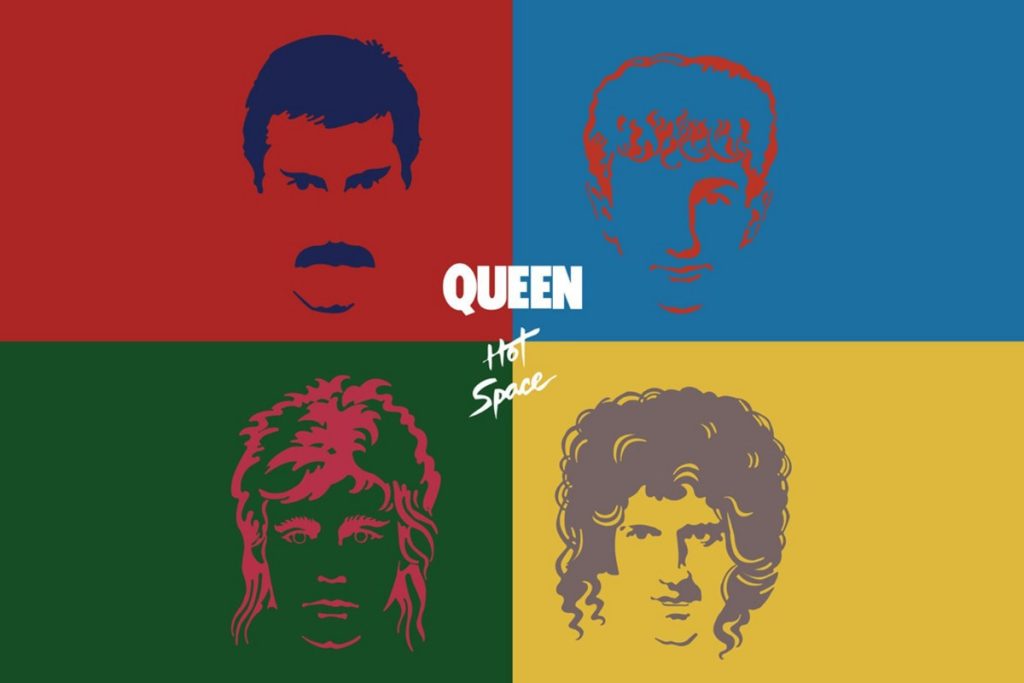
Appearing on Hot Space, “Las Palabras de Amor” is one of Queen’s most beautiful ballads.
Combining English and Spanish lyrics, the song celebrates love and international connection through elegant melodies and layered harmonies.
Its warmth and sincerity stand in contrast to the dance-oriented direction of much of the album.
What Makes It Unique
- Bilingual lyrics
- Rich harmonies
- Gentle orchestration
- Universal message
“Was It All Worth It” (1989)
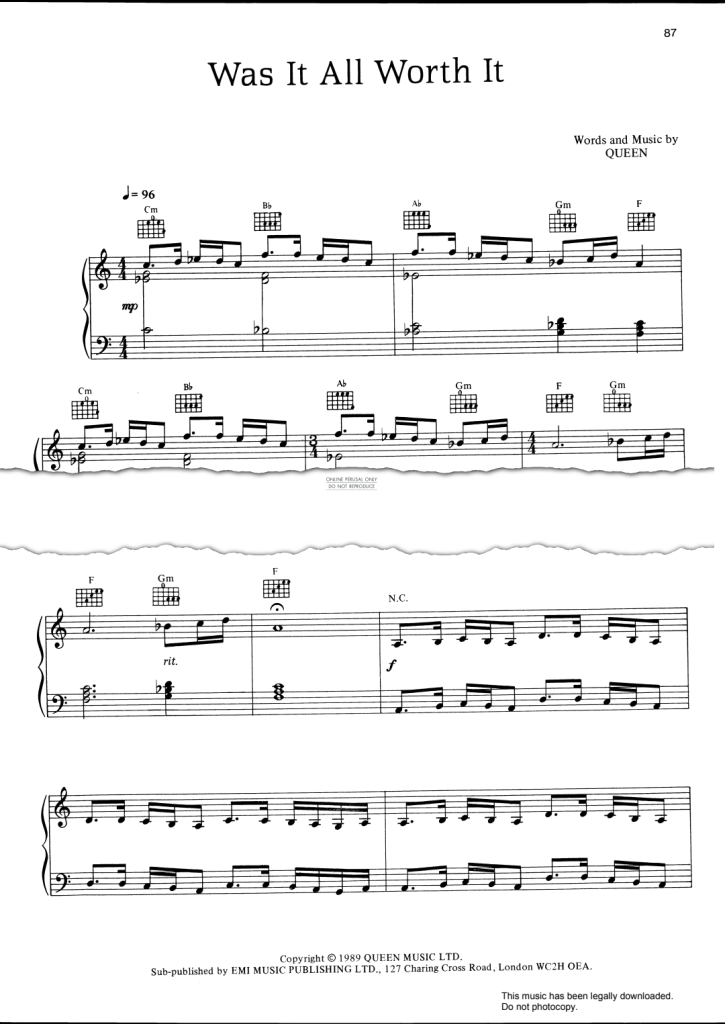
Closing The Miracle, “Was It All Worth It” serves as a powerful reflection on Queen’s extraordinary journey.
Although written before Freddie Mercury’s illness became widely known, the song carries a sense of perspective and gratitude that resonates deeply with listeners today.
Its dramatic arrangement recalls the band’s grandest musical moments.
Why It Resonates
- Reflective lyrics
- Epic production
- Powerful finale
- Emotional depth
“Mother Love” (1995)
One of Queen’s most moving recordings, “Mother Love” appears on Made in Heaven and represents Freddie Mercury’s final vocal performance.
Unable to finish recording due to his declining health, Mercury completed as much of the song as possible before Brian May sang the remaining lines.
The result is a deeply emotional farewell that captures both vulnerability and strength.
Why It’s So Powerful
- Historical significance
- Emotional honesty
- Beautiful vocal performances
- A touching conclusion to Freddie Mercury’s recording career
Why Queen’s Deep Cuts Matter
Queen’s lesser-known songs reveal dimensions of the band that their greatest hits sometimes overshadow. While stadium anthems introduced millions of listeners to their music, the deeper album tracks highlight the group’s willingness to take risks, explore different genres, and showcase the individual talents of each member.
These songs demonstrate:
- Freddie Mercury’s emotional versatility as a vocalist
- Brian May’s imaginative songwriting and guitar work
- John Deacon’s gift for memorable melodies and relatable lyrics
- Roger Taylor’s distinctive voice and creative compositions
- The band’s remarkable ability to move between rock, pop, funk, progressive music, folk, and ballads
Listening beyond Queen’s biggest singles offers a richer appreciation of the band’s artistic range and collaborative spirit.
Rediscovering Queen Beyond the Greatest Hits
Queen’s legacy is built on far more than the songs heard in stadiums, films, and radio playlists. Their albums are filled with overlooked masterpieces that showcase the creativity, musicianship, and fearless experimentation that made the band truly exceptional.
Whether it’s the progressive brilliance of “The March of the Black Queen,” the heartfelt optimism of “Spread Your Wings,” the irresistible groove of “Dragon Attack,” or the emotional farewell of “Mother Love,” these underrated tracks deserve a place alongside Queen’s most famous recordings.
For longtime fans, revisiting these hidden gems offers a deeper appreciation of the band’s artistry. For new listeners, they provide the perfect opportunity to discover that Queen’s greatest treasures often lie beyond the hits, waiting to be heard with fresh ears.