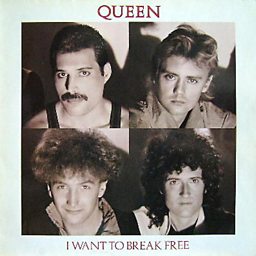
When people think of Queen, the spotlight often falls on Freddie Mercury’s electrifying vocals, Brian May’s unmistakable guitar sound, or Roger Taylor’s energetic drumming. Yet behind many of the band’s most beloved songs stood a remarkably humble musician whose influence was far greater than his reserved personality suggested.
John Deacon, Queen’s bassist, rarely sought attention. He avoided the spotlight, gave relatively few interviews, and preferred to let his music speak for itself. Despite his quiet nature, Deacon became one of the band’s most reliable songwriters and an essential architect of Queen’s signature sound.
From writing chart-topping singles to crafting melodic bass lines that anchored the band’s ambitious arrangements, John Deacon proved that great musicians don’t always need to be the loudest voices in the room.
Joining Queen: Completing the Perfect Lineup
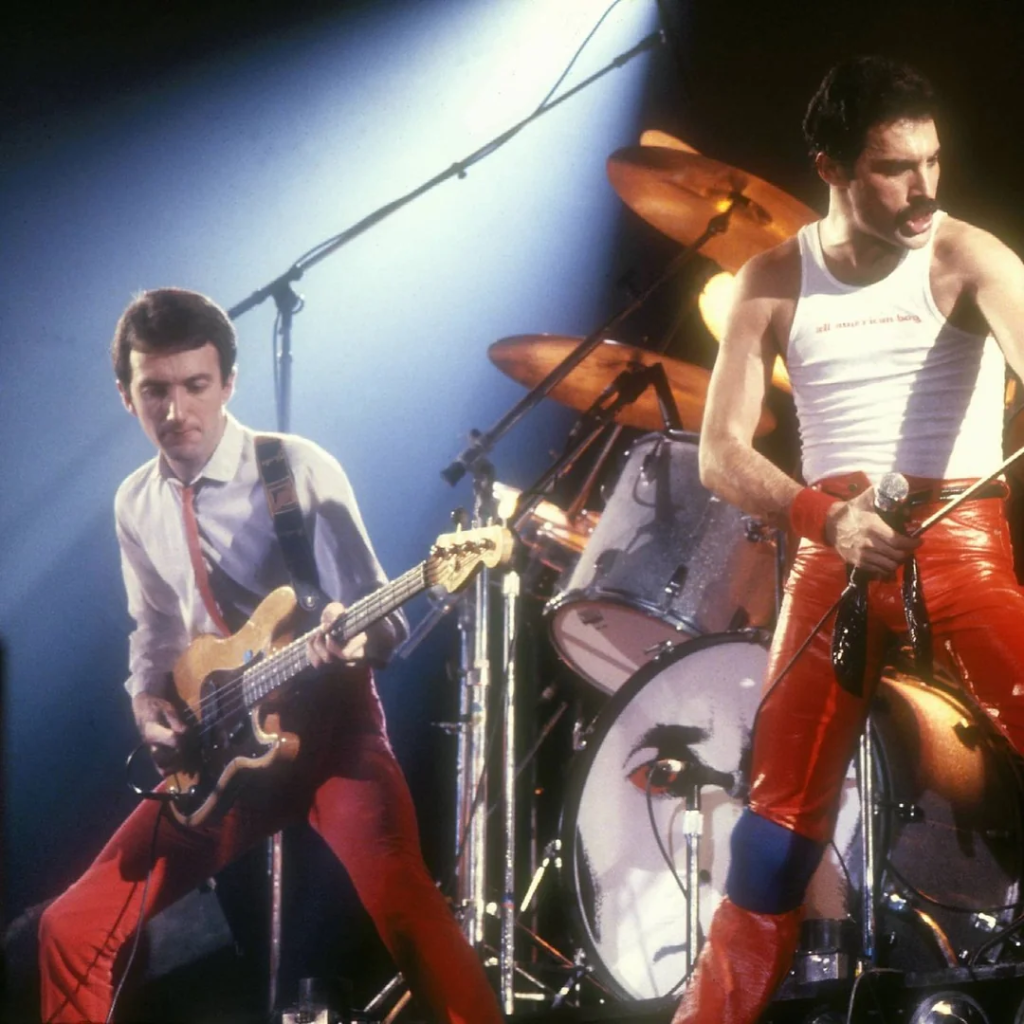
Queen officially found its classic lineup in 1971 when John Deacon joined the band as bassist.
Before his arrival, Brian May, Roger Taylor, and Freddie Mercury had struggled to find a permanent bass player. Several musicians briefly filled the role, but none proved to be the right fit.
Deacon immediately stood out for several reasons:
- Exceptional technical skill
- Calm and dependable personality
- Strong understanding of music theory
- Ability to adapt to different musical styles
- Collaborative approach to songwriting
Unlike many rock musicians of the era, Deacon preferred solving musical challenges over seeking attention. His measured personality balanced the larger-than-life characters around him, helping create a stable dynamic within the group.
A Bass Player Who Served the Song
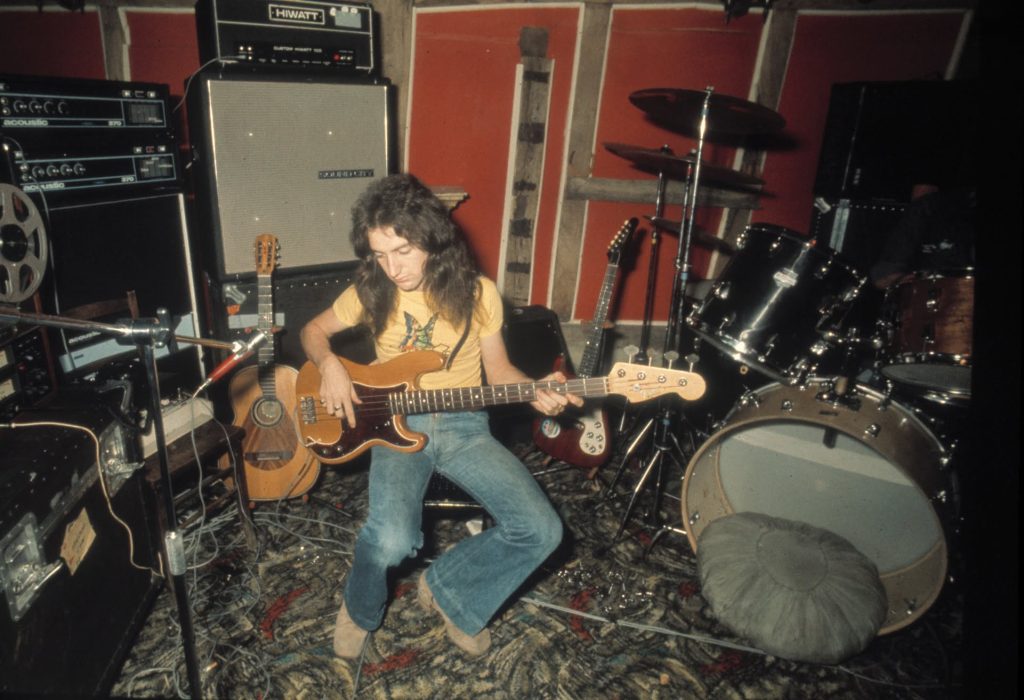
John Deacon’s bass playing was never about flashy solos or constant attention.
Instead, he focused on creating bass lines that enhanced each composition while allowing every instrument to shine. His playing demonstrated remarkable musical maturity, emphasizing groove, melody, and precision over unnecessary complexity.
His style combined influences from:
- Rock
- Funk
- Soul
- Pop
- Rhythm and blues
This versatility allowed Queen to experiment freely across genres without losing musical cohesion.
Whether performing hard rock, disco-inspired tracks, ballads, or arena anthems, Deacon consistently found bass parts that perfectly complemented the band’s evolving sound.
The Songwriter Behind Several Classic Hits
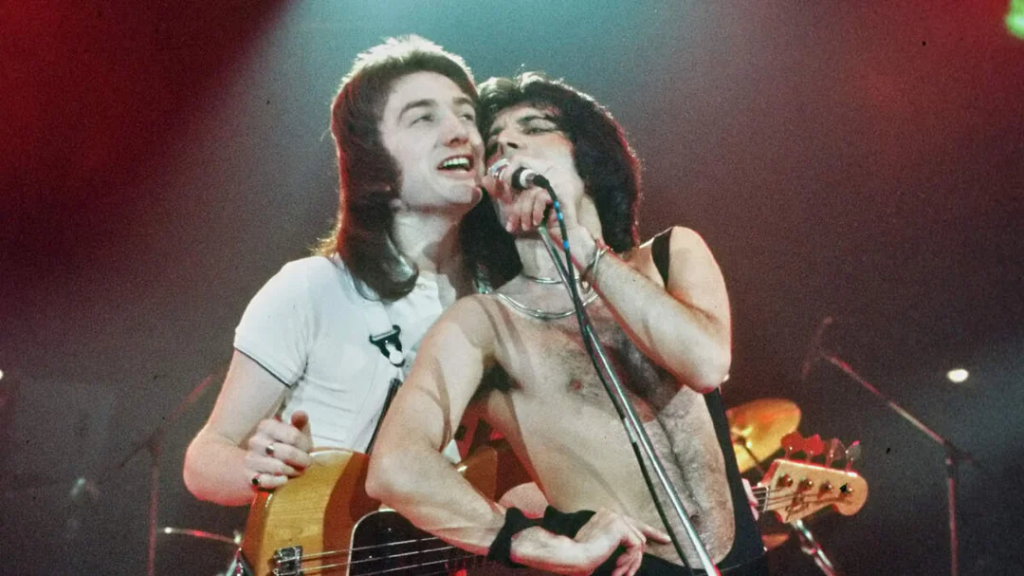
Although Freddie Mercury and Brian May often received recognition as Queen’s primary songwriters, John Deacon quietly built an impressive catalog of his own.
His compositions frequently became some of the band’s biggest commercial successes.
“You’re My Best Friend”
Perhaps Deacon’s most famous contribution is “You’re My Best Friend.”
Written for his wife, Veronica, the song showcased a softer side of Queen while highlighting Deacon’s gift for accessible melodies and heartfelt lyrics.
The track became an international hit thanks to its:
- Warm lyrical message
- Memorable chorus
- Bright piano-driven arrangement
- Universal appeal
Its enduring popularity demonstrates Deacon’s ability to write songs that connected emotionally with audiences across generations.
“Another One Bites the Dust”
If one song forever cemented John Deacon’s songwriting reputation, it was “Another One Bites the Dust.”
Inspired in part by funk and dance music, the song featured one of the most recognizable bass riffs in rock history.
Initially, some members of the band questioned whether the track fit Queen’s style. However, its infectious groove and minimalist arrangement quickly won over listeners.
The song became:
- One of Queen’s best-selling singles
- A worldwide chart-topper
- A crossover success in dance and R&B markets
- One of the defining songs of the 1980s
Its success demonstrated Deacon’s keen understanding of evolving musical trends without sacrificing the band’s identity.
Other Notable Songs Written by John Deacon
Deacon’s songwriting extended well beyond his biggest hits.
Some of his additional contributions include:
- “Spread Your Wings”
- “Back Chat”
- “Misfire”
- “You and I”
- “Need Your Loving Tonight”
- “Friends Will Be Friends” (co-written)
Each song reflected his talent for memorable melodies, relatable lyrics, and polished arrangements.
Musical Intelligence Behind the Scenes
John Deacon’s influence wasn’t limited to writing songs.
He possessed a deep understanding of electronics and sound equipment, making him an invaluable problem-solver during recording sessions and live performances.
His technical knowledge often helped improve:
- Instrument setups
- Stage equipment
- Recording efficiency
- Sound reliability
While these contributions rarely made headlines, they played an important role in Queen’s consistently high production standards.
A Team Player in Every Sense

One reason Queen remained remarkably stable throughout its career was the members’ willingness to respect each other’s creative ideas.
John Deacon embodied this collaborative spirit.
Unlike many musicians with successful songwriting careers, he never attempted to dominate the creative process. Instead, he supported ideas that strengthened the final recording, regardless of who wrote the song.
Within Queen:
- Freddie Mercury brought theatrical vision.
- Brian May contributed intricate guitar arrangements.
- Roger Taylor added energy and powerful rhythms.
- John Deacon provided balance, musical structure, and commercial instincts.
This blend of personalities became one of the band’s greatest strengths.
Why His Bass Playing Was So Effective
Many bass players admire John Deacon because his performances demonstrate how subtle musicianship can elevate an entire band.
Several qualities defined his playing.
Melodic Approach
Rather than simply following guitar chords, Deacon often created bass lines that functioned as memorable melodies in their own right.
Strong Sense of Groove
Whether performing rock or funk-inspired material, he consistently locked in with Roger Taylor’s drums to create an irresistible rhythmic foundation.
Technical Precision
Live performances revealed remarkable consistency.
Deacon rarely overplayed and maintained exceptional timing even during Queen’s most complex arrangements.
Adaptability
Few bassists moved so comfortably between genres.
His playing supported:
- Hard rock
- Arena rock
- Pop
- Funk
- Disco
- Ballads
- Progressive compositions
This flexibility allowed Queen to evolve without losing cohesion.
Life Away From the Spotlight
Unlike many famous rock stars, John Deacon preferred a private life.
He largely avoided media attention, choosing to focus on family rather than celebrity.
Even during Queen’s peak years, he maintained a reputation for humility and professionalism.
Following Freddie Mercury’s passing in 1991, Deacon participated in several tribute projects but gradually stepped away from public life.
In 1997, after contributing to Queen’s recording of “No-One but You (Only the Good Die Young),” he effectively retired from the music industry.
Since then, he has remained largely out of the public eye, reinforcing his lifelong preference for privacy over fame.
The Legacy of John Deacon
Although John Deacon rarely appeared at the center of Queen’s public image, his impact on the band’s legacy is impossible to overlook.
His songwriting produced timeless classics that continue to resonate with listeners around the world. His bass playing provided the foundation for some of rock’s most celebrated recordings, while his technical expertise and collaborative mindset strengthened the band’s creative process behind the scenes.
Many musicians regard Deacon as a master of restraint—a performer who understood that serving the song was more important than seeking individual recognition.
His ability to combine technical excellence with emotional sensitivity helped Queen achieve a sound that felt both sophisticated and accessible.
Why John Deacon Deserves Greater Recognition
In an era when many rock musicians competed for the spotlight, John Deacon demonstrated that quiet confidence could be just as powerful as showmanship.
His contributions extended far beyond playing bass. He wrote enduring hits, embraced musical innovation, supported his bandmates’ creativity, and helped shape Queen into one of the most successful and influential bands in music history.
Without John Deacon’s melodic instincts, unforgettable bass lines, and thoughtful songwriting, Queen’s catalog would look very different. While his reserved personality often kept him in the background, his musical legacy remains front and center every time audiences sing along to classics like “You’re My Best Friend” and “Another One Bites the Dust.”
John Deacon may have been Queen’s quietest member, but his influence continues to echo through every generation of listeners discovering the band’s extraordinary music.