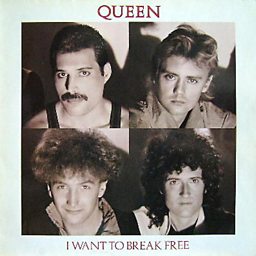
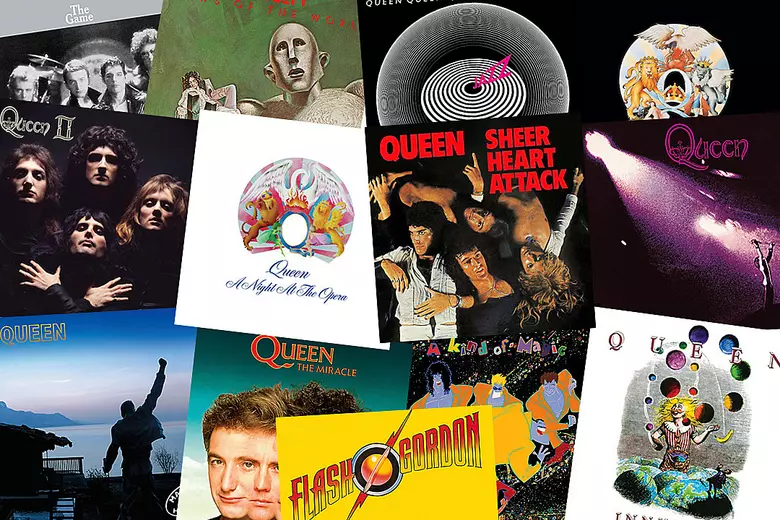
Few bands have reinvented themselves as successfully as Queen. Throughout more than two decades of recording, the band refused to remain confined to a single musical style. Instead, every studio album introduced new ideas, fresh influences, and creative risks that kept their sound evolving while maintaining the unmistakable chemistry between Freddie Mercury, Brian May, Roger Taylor, and John Deacon.
From hard rock beginnings to genre-defying masterpieces and emotionally powerful final recordings, Queen’s discography tells the story of a band that constantly challenged both itself and its audience. Here’s a look at how each studio album marked a new chapter in Queen’s remarkable journey.
Queen (1973): A Powerful Introduction
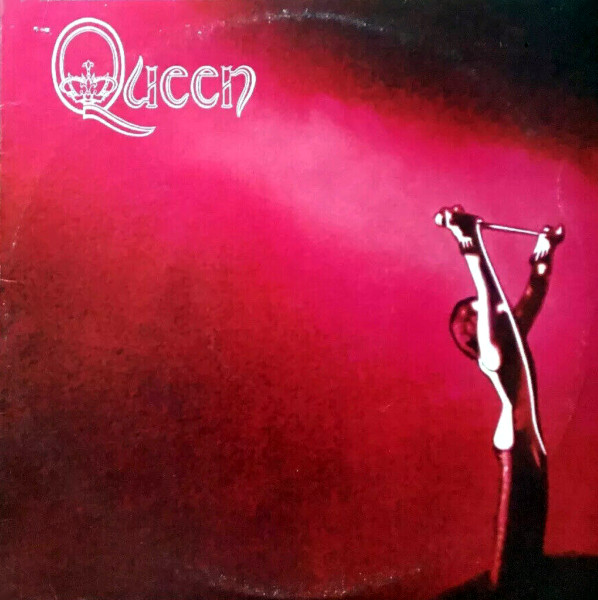
Queen’s self-titled debut introduced listeners to a band with enormous ambition.
Although the album didn’t become an immediate commercial breakthrough, it showcased many elements that would define Queen’s future sound, including layered guitar harmonies, intricate vocal arrangements, dramatic songwriting, and a blend of hard rock with progressive influences.
Standout tracks such as “Keep Yourself Alive,” “Liar,” and “Great King Rat” highlighted the band’s technical ability and willingness to experiment from the very beginning.
What Changed?
- Introduced Queen’s signature multi-layered sound
- Established Brian May’s distinctive guitar style
- Showcased Freddie Mercury’s theatrical vocals
- Blended hard rock with progressive rock elements
Queen II (1974): Expanding the Vision
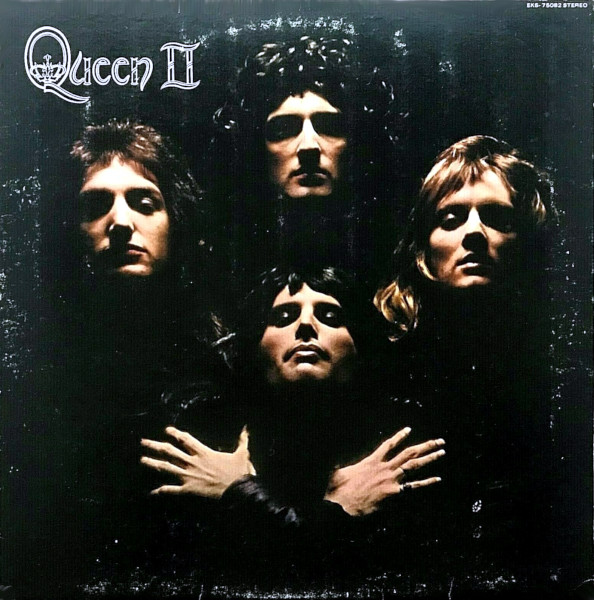
Rather than playing it safe, Queen doubled down on creativity with their second album.
Queen II embraced fantasy themes, complex song structures, and seamless transitions between tracks. The record demonstrated remarkable confidence and laid the foundation for the band’s future reputation as fearless musical innovators.
Songs like “Seven Seas of Rhye” gave Queen its first major hit while introducing a broader audience to their unique style.
New Direction
- More elaborate arrangements
- Fantasy-inspired storytelling
- Greater use of vocal harmonies
- Stronger emphasis on album cohesion
Sheer Heart Attack (1974): Finding Mainstream Success
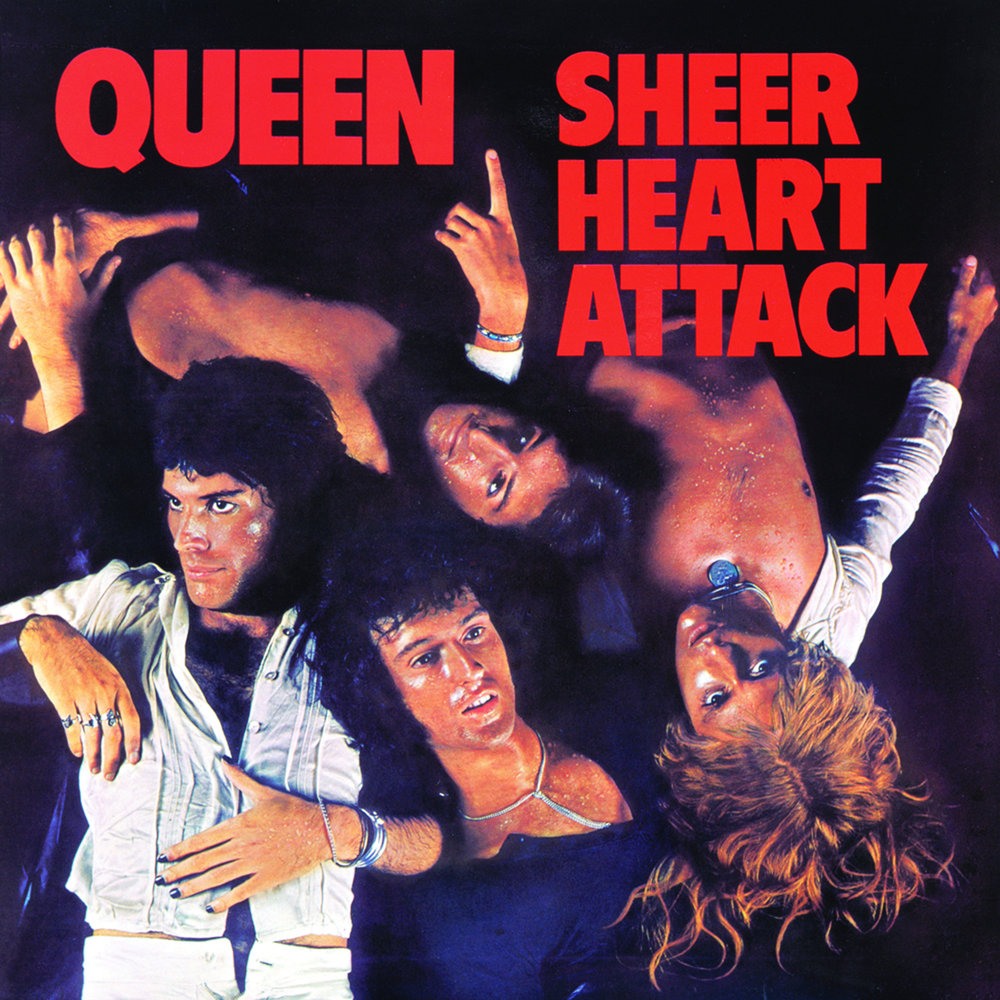
Released later the same year, Sheer Heart Attack represented a major turning point.
The album balanced accessibility with experimentation, proving Queen could write radio-friendly songs without sacrificing originality.
The energetic “Killer Queen” became an international breakthrough, showcasing sophisticated songwriting and polished production.
Highlights
- More concise songwriting
- Increased commercial appeal
- Greater stylistic diversity
- Stronger international recognition
A Night at the Opera (1975): A Defining Masterpiece
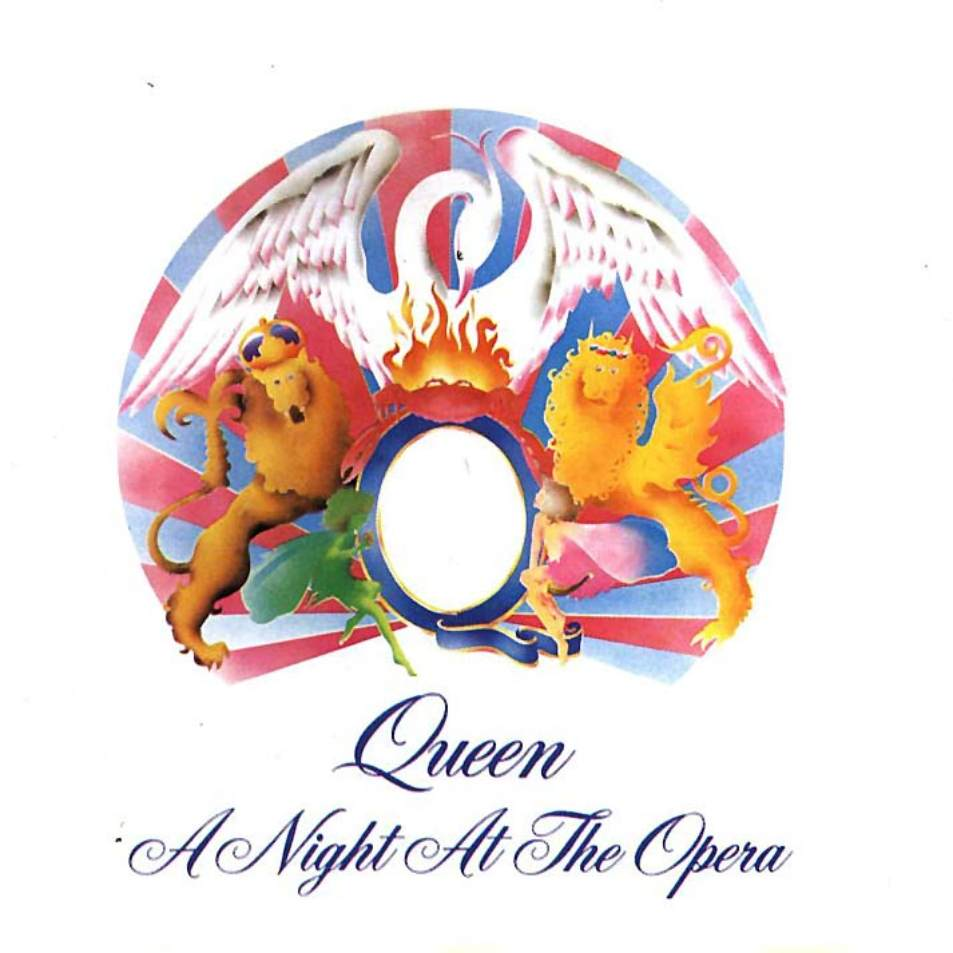
Few albums have influenced rock music as profoundly as A Night at the Opera.
Combining opera, hard rock, ballads, folk, and progressive arrangements, the album demonstrated the band’s extraordinary musical range.
Its centerpiece, “Bohemian Rhapsody,” challenged every convention of popular music and became one of the most celebrated songs ever recorded.
Other memorable tracks, including “Love of My Life” and “You’re My Best Friend,” further showcased Queen’s versatility.
Why It Changed Everything
- Massive production scale
- Unprecedented genre blending
- Worldwide commercial breakthrough
- Cemented Queen’s artistic identity
A Day at the Races (1976): Building on Success
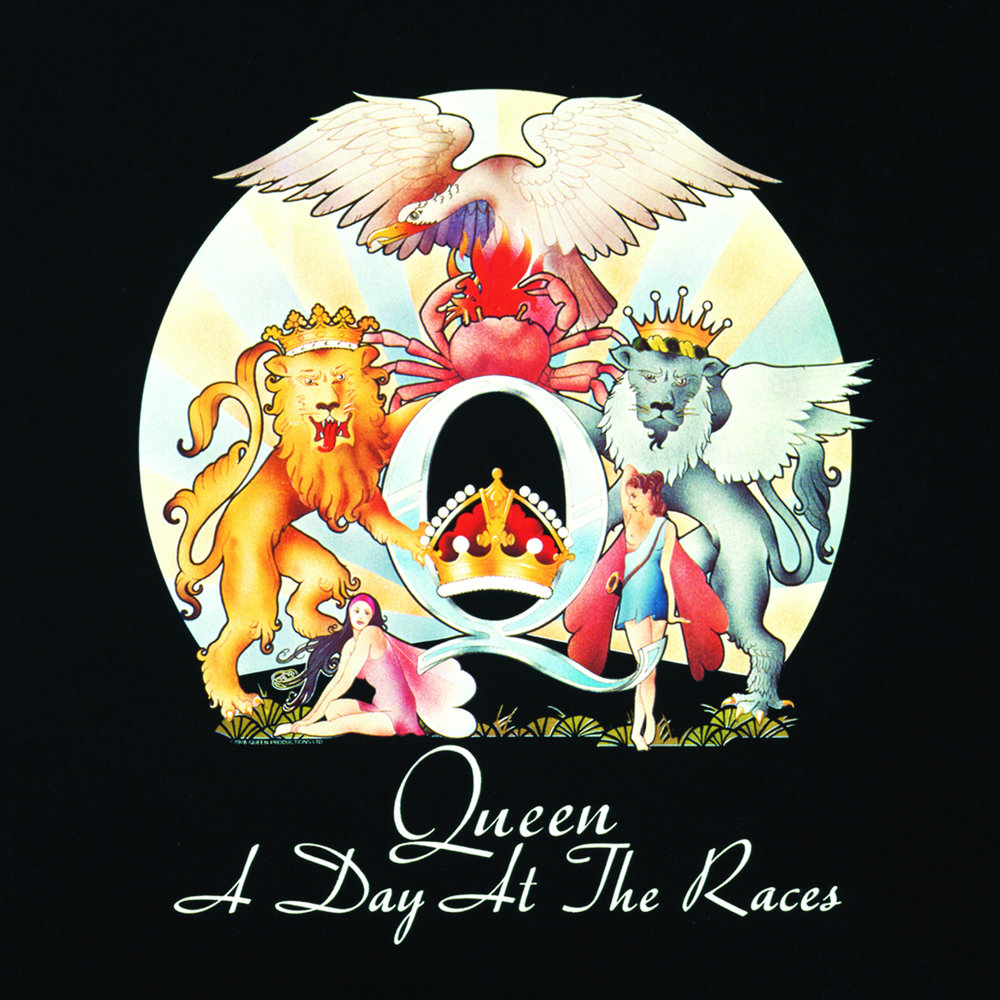
Rather than attempting to replicate their previous masterpiece, Queen refined the formula.
A Day at the Races delivered polished songwriting while emphasizing vocal sophistication and emotional depth.
Songs like “Somebody to Love” highlighted Freddie Mercury’s extraordinary vocal abilities alongside the band’s gospel-inspired harmonies.
Evolution
- Richer vocal arrangements
- Stronger emotional songwriting
- More refined production
- Continued musical experimentation
News of the World (1977): Simplicity Meets Stadium Rock
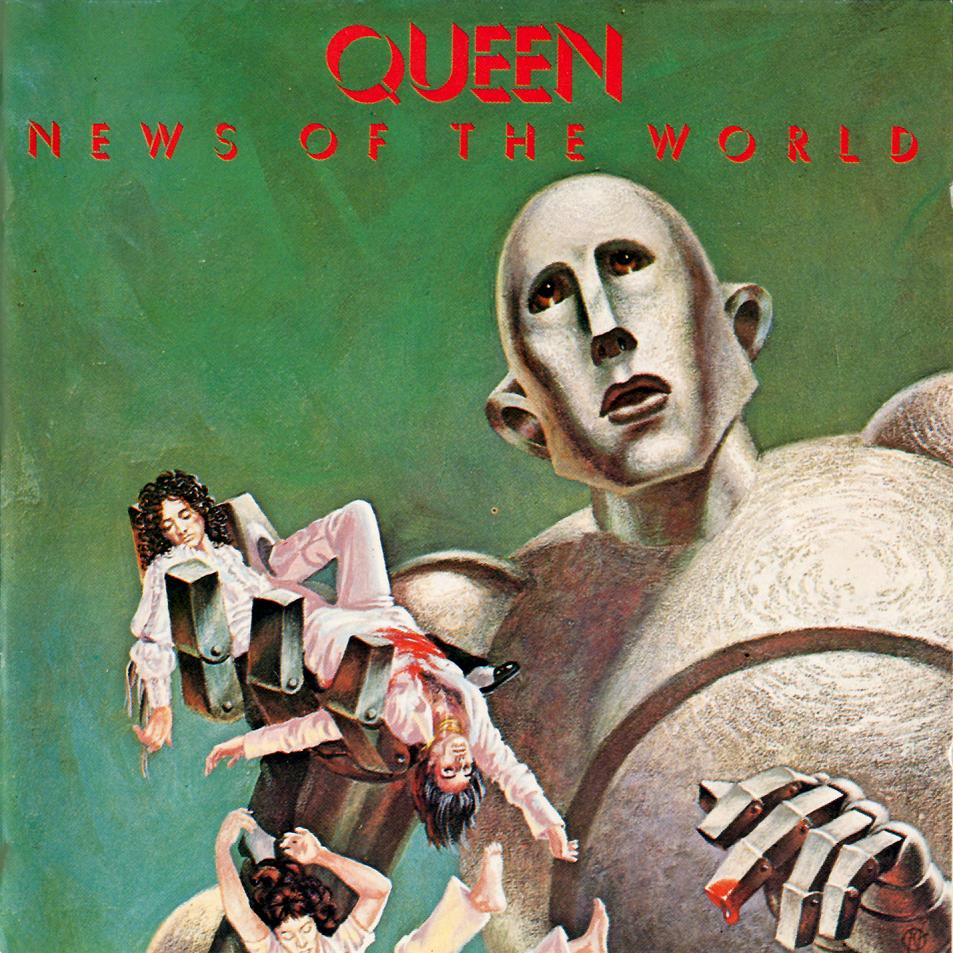
Queen shifted toward a more direct rock sound with News of the World.
The album traded some of the elaborate arrangements of previous releases for straightforward, powerful songwriting.
It also introduced two of the most recognizable stadium anthems ever written:
- “We Will Rock You”
- “We Are the Champions”
These songs became defining moments in Queen’s career and remain staples at sporting events and celebrations worldwide.
Defining Features
- Simpler song structures
- Arena-ready sound
- Harder rock influences
- Universal audience appeal
Jazz (1978): Creative Freedom Without Limits
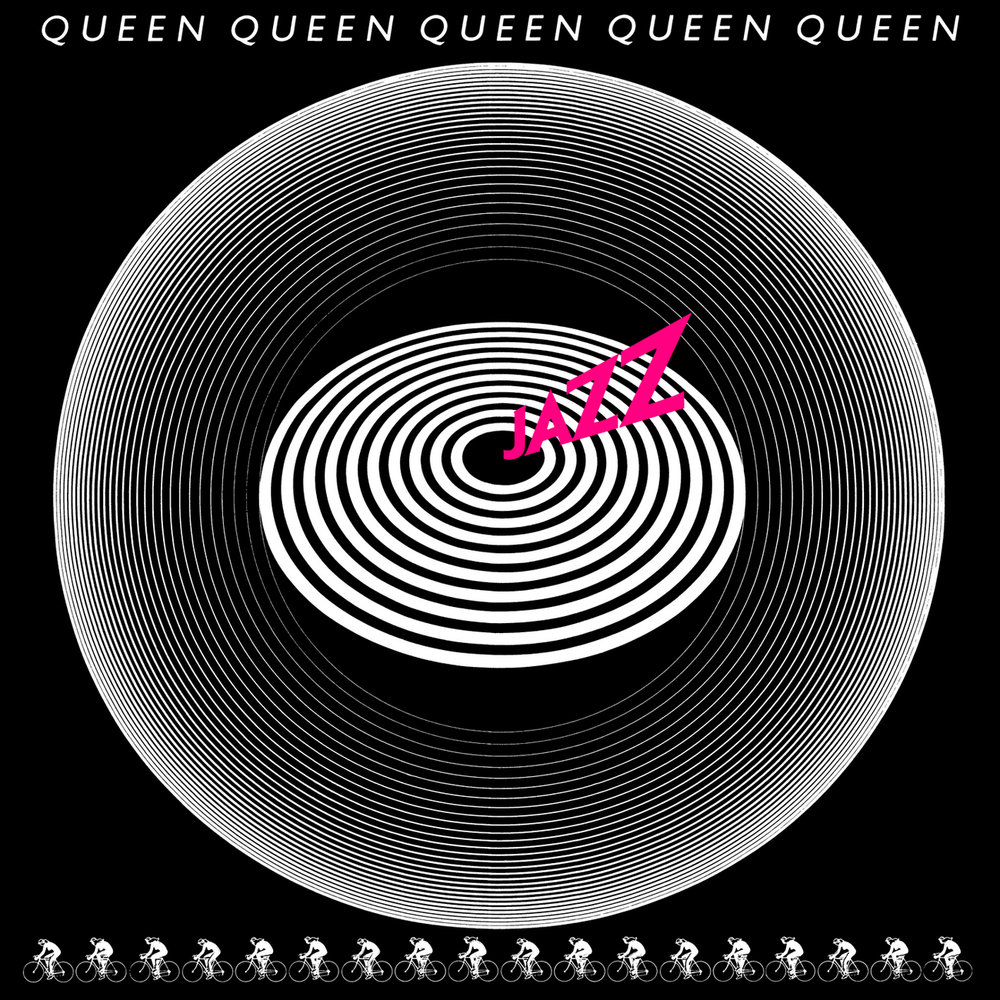
Despite its title, Jazz wasn’t a jazz album.
Instead, it reflected Queen’s refusal to follow expectations, offering an eclectic collection of styles and moods.
The album included energetic rock tracks alongside playful experiments, most notably “Don’t Stop Me Now,” which has grown into one of Queen’s most beloved songs.
Characteristics
- Eclectic musical styles
- Playful songwriting
- Greater creative freedom
- Memorable singalong choruses
The Game (1980): Entering a New Decade
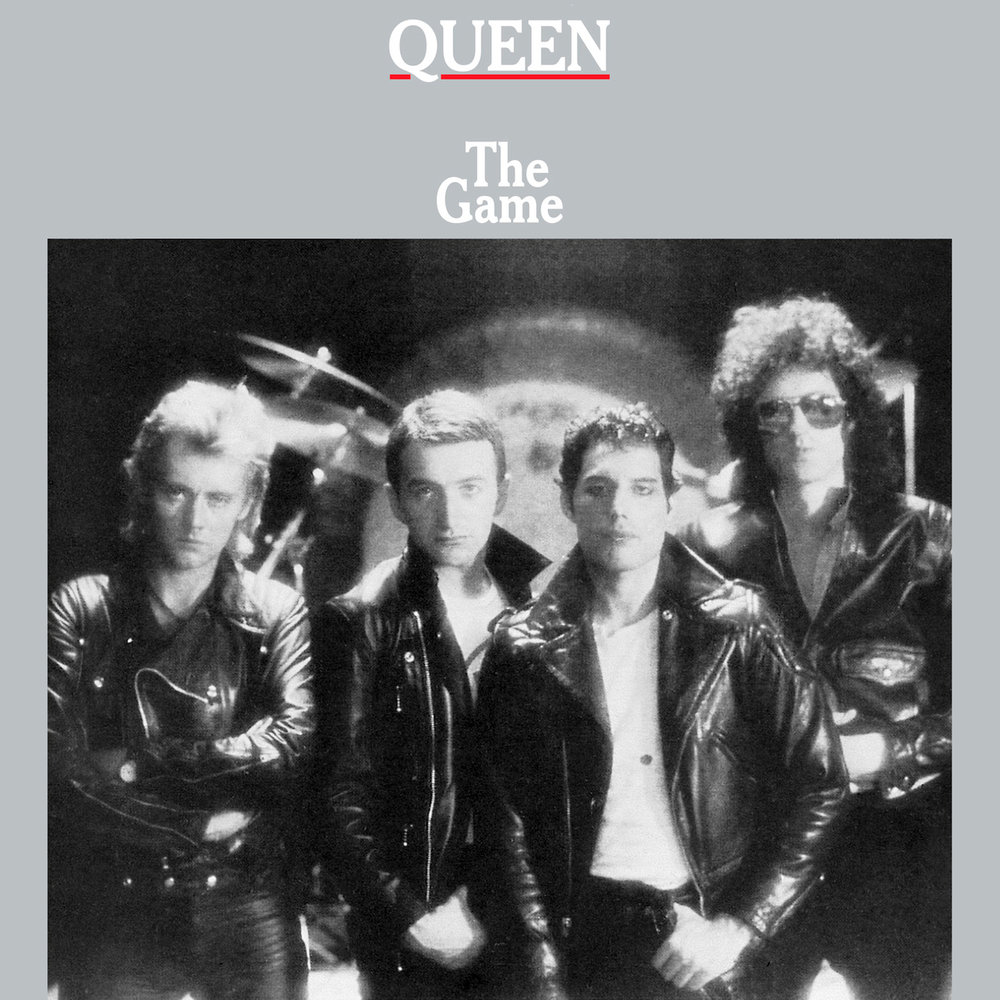
As music entered the 1980s, Queen adapted once again.
The Game introduced synthesizers into the band’s sound, marking a significant shift from earlier albums.
The record featured major hits including:
- “Another One Bites the Dust”
- “Crazy Little Thing Called Love”
The album demonstrated Queen’s ability to embrace changing musical trends while maintaining its unique identity.
New Era
- First significant use of synthesizers
- Strong funk influences
- Simpler production
- Broader commercial appeal
Flash Gordon (1980): A Cinematic Experiment
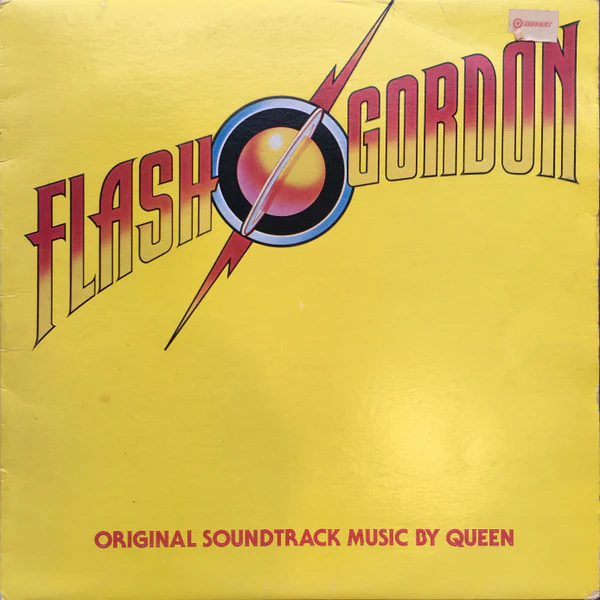
Unlike Queen’s traditional studio albums, Flash Gordon served as the soundtrack to the science fiction film of the same name.
The album emphasized instrumental pieces, atmospheric soundscapes, and dramatic themes.
Although different from the band’s standard releases, it showcased their willingness to explore new creative challenges.
Hot Space (1982): The Boldest Risk
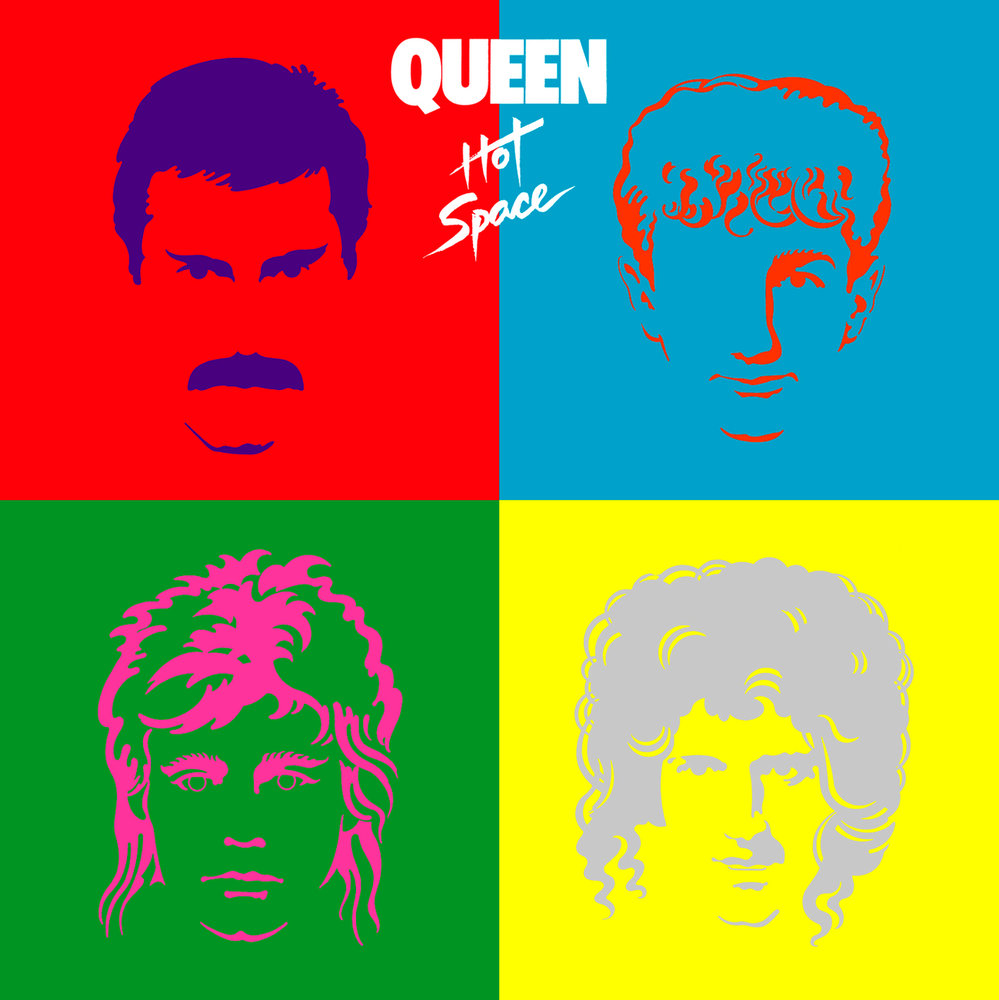
No Queen album divided fans more than Hot Space.
Heavily influenced by funk, dance music, and disco, it represented a dramatic departure from the band’s rock roots.
While initially receiving mixed reactions, the album has since gained appreciation for its adventurous spirit.
The standout collaboration “Under Pressure,” recorded with David Bowie, remains one of Queen’s greatest achievements.
Key Changes
- Dance-oriented production
- Funk-inspired rhythms
- Heavy use of synthesizers
- Greater emphasis on groove
The Works (1984): Returning to Rock
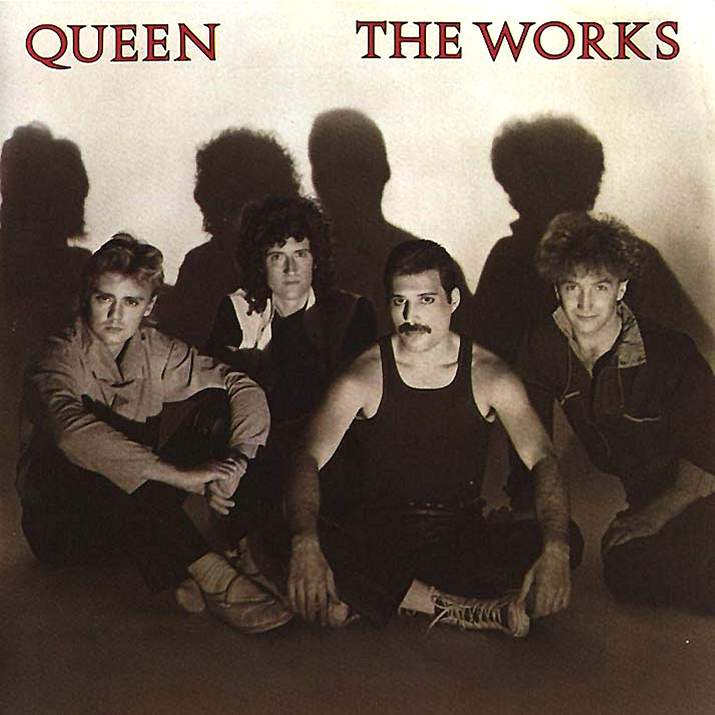
After the experimental direction of Hot Space, Queen blended rock and pop more effectively on The Works.
The album featured several enduring hits:
- “Radio Ga Ga”
- “I Want to Break Free”
- “Hammer to Fall”
The record balanced electronic production with classic guitar-driven songwriting.
What Improved
- Better balance between rock and synth-pop
- Stadium-ready anthems
- Strong commercial comeback
- Memorable music videos
A Kind of Magic (1986): Music for the Big Stage
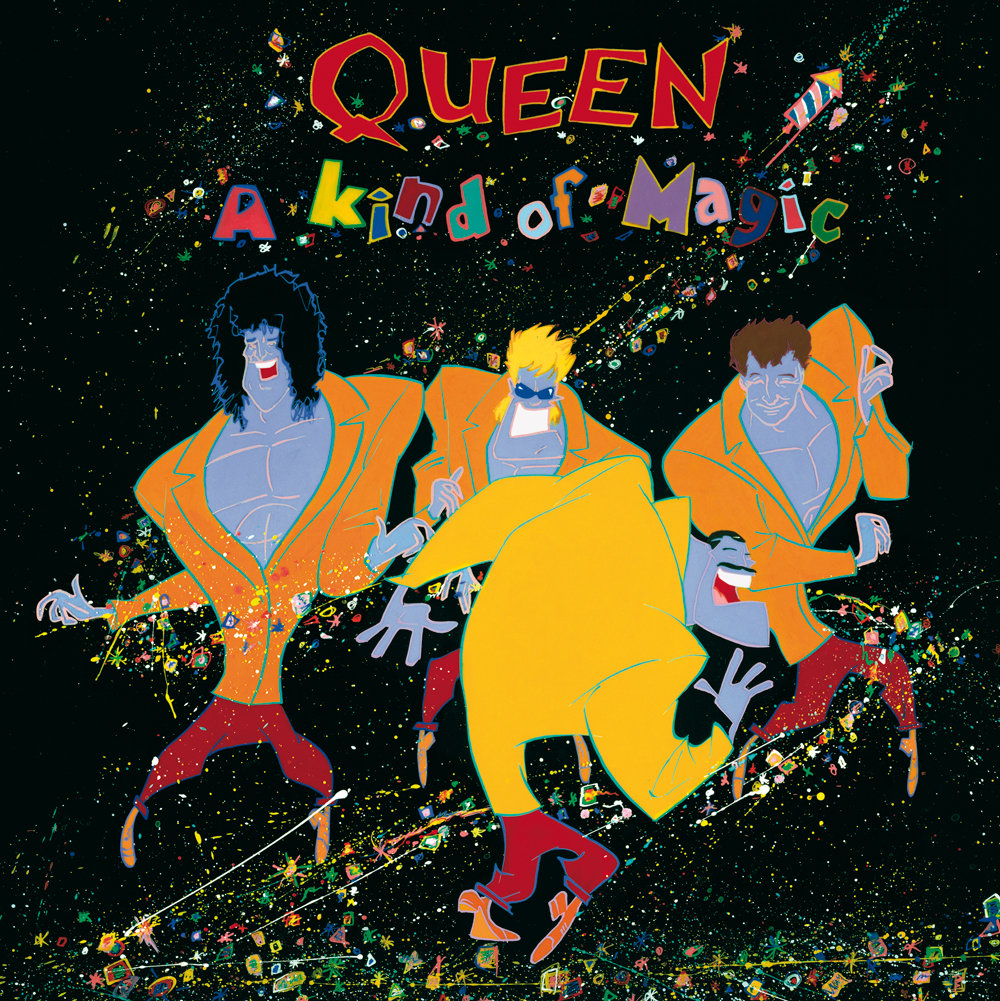
Inspired in part by the film Highlander, A Kind of Magic became closely associated with Queen’s legendary live performances.
Songs like “One Vision,” “Who Wants to Live Forever,” and “Princes of the Universe” showcased cinematic songwriting and emotional depth.
The accompanying Magic Tour would become Freddie Mercury’s final tour with the band.
Defining Qualities
- Epic production
- Emotional ballads
- Powerful rock anthems
- Strong cinematic influences
The Miracle (1989): A United Creative Approach
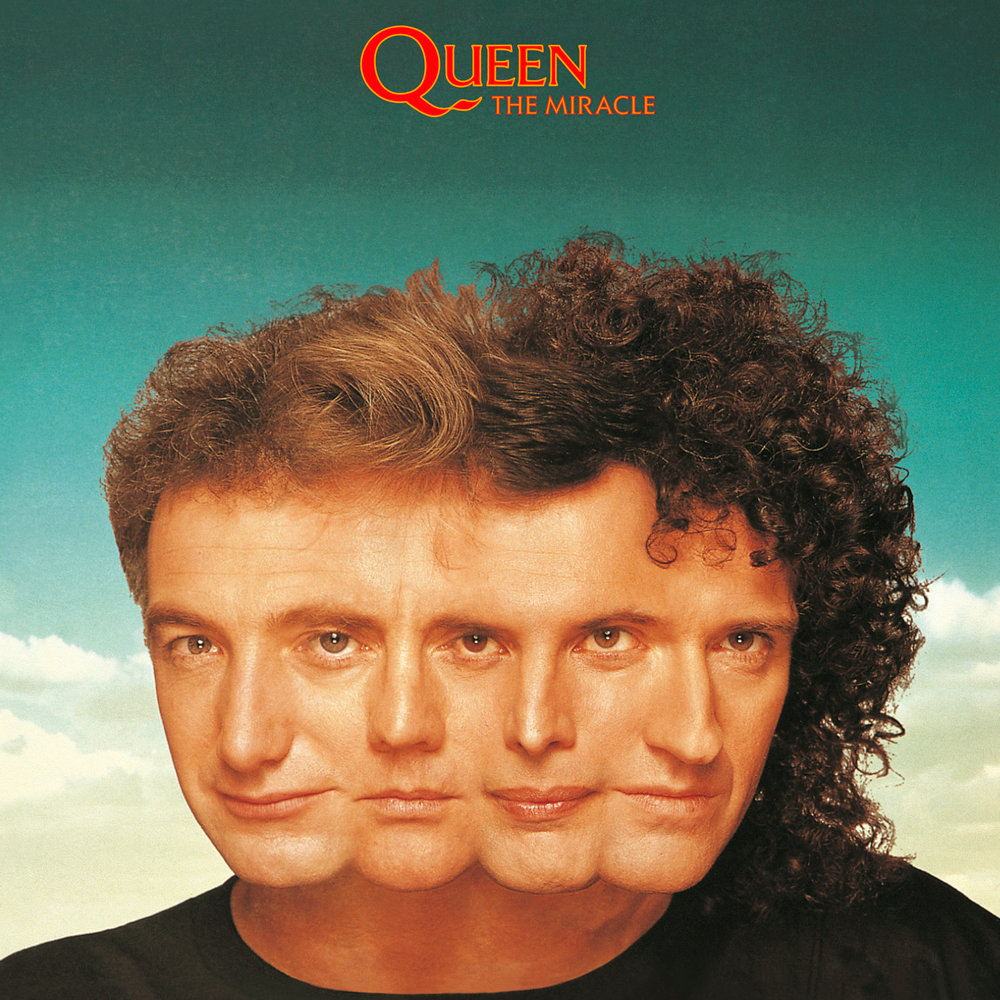
For The Miracle, all four band members shared songwriting credits equally.
This reflected Queen’s increasingly collaborative approach after years of individual compositions.
The album blended polished production with catchy hooks and optimistic energy while introducing songs such as “I Want It All” and “Breakthru.”
New Focus
- Equal songwriting credit
- Stronger group collaboration
- Modern production techniques
- Balanced mix of rock and pop
Innuendo (1991): Artistic Maturity
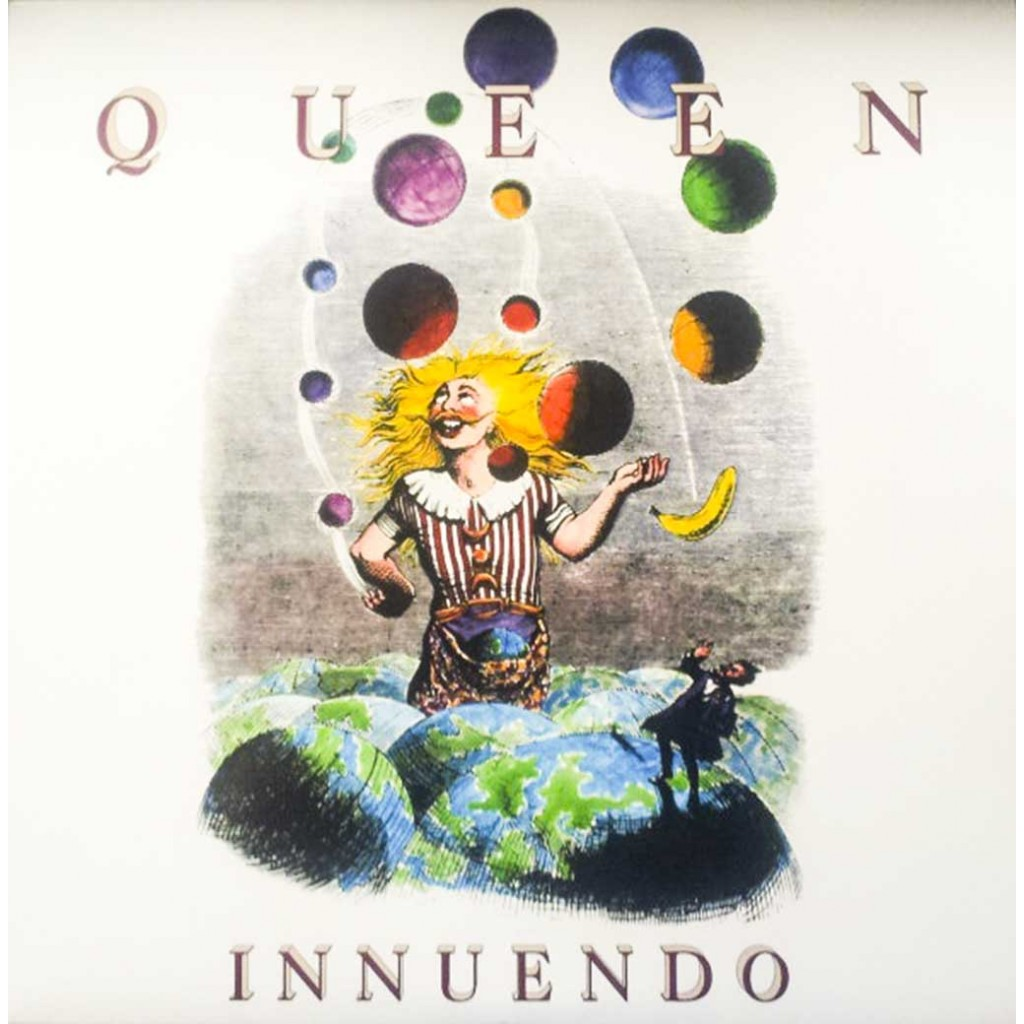
Released during Freddie Mercury’s declining health, Innuendo stands among Queen’s most emotionally powerful works.
The album revisited progressive rock influences while incorporating orchestral arrangements, flamenco elements, and deeply personal lyrics.
Songs including “Innuendo,” “These Are the Days of Our Lives,” and “The Show Must Go On” reflected remarkable courage and artistic determination.
Why It Matters
- Mature songwriting
- Emotional depth
- Return to ambitious compositions
- Powerful vocal performances
Made in Heaven (1995): A Farewell and a Celebration
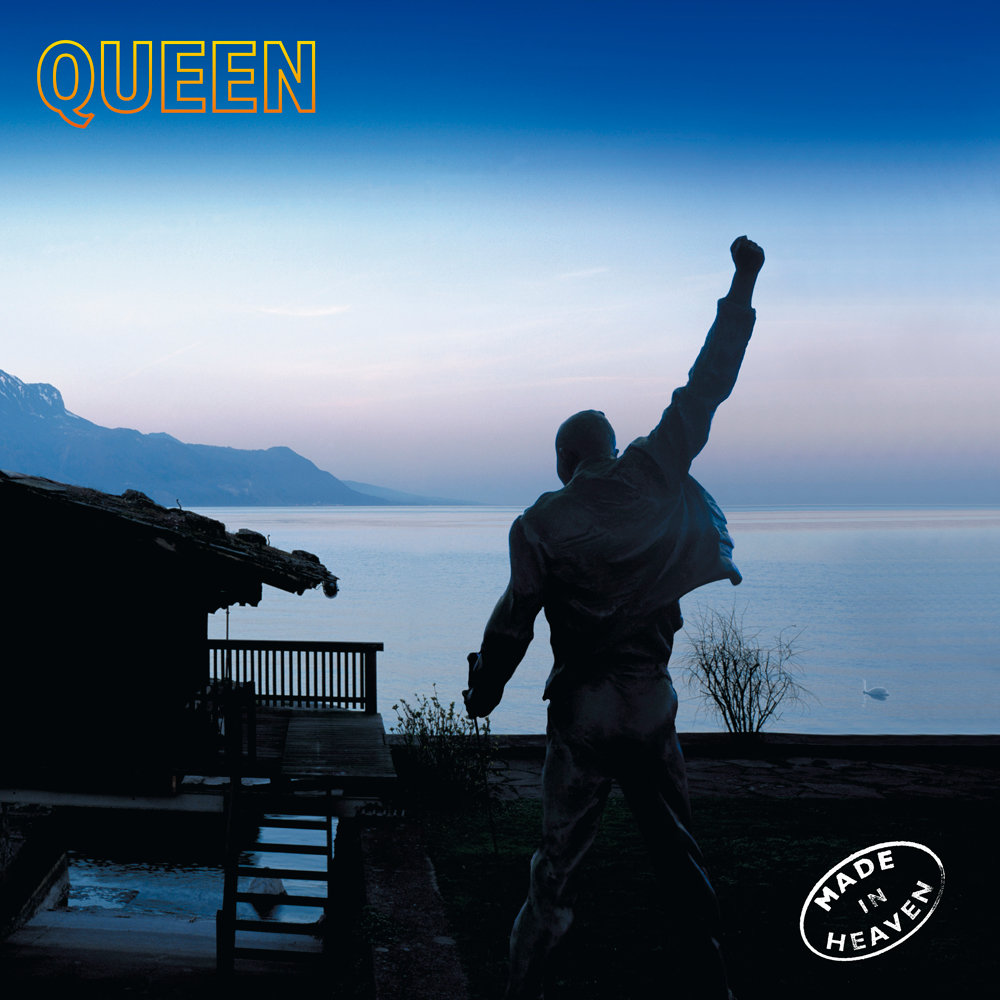
Released four years after Freddie Mercury’s passing, Made in Heaven served as Queen’s final studio album featuring all four members.
Using vocals Mercury had recorded before his death, Brian May, Roger Taylor, and John Deacon carefully completed unfinished songs, creating an album that honored both their friend and their shared musical legacy.
Tracks like “Heaven for Everyone,” “Too Much Love Will Kill You,” and “Mother Love” carried a profound emotional weight, reflecting themes of love, remembrance, hope, and resilience.
Rather than feeling like a collection of leftovers, the album offered a heartfelt conclusion to Queen’s studio career, celebrating the band’s enduring creativity and the bond that had united its members for more than two decades.
Final Chapter
- Tribute to Freddie Mercury’s legacy
- Emotional and reflective songwriting
- Thoughtful completion of unfinished recordings
- A fitting conclusion to Queen’s studio catalog
A Legacy of Constant Reinvention
Queen’s studio albums tell the story of a band that refused to stand still. Each release marked a distinct era, whether through bold experimentation, refined songwriting, technological innovation, or emotional storytelling. From the raw ambition of Queen to the heartfelt farewell of Made in Heaven, the band’s evolution was driven by curiosity, collaboration, and a willingness to embrace change.
Rather than repeating past successes, Queen consistently explored new musical landscapes while preserving the chemistry that made them unique. This fearless approach allowed them to remain relevant across changing musical trends and generations of listeners.
Today, Queen’s discography stands as one of rock music’s most diverse and enduring bodies of work—a collection of albums that not only captured the spirit of their time but also proved that artistic evolution is one of the greatest strengths a band can possess.